 English
 Pусский




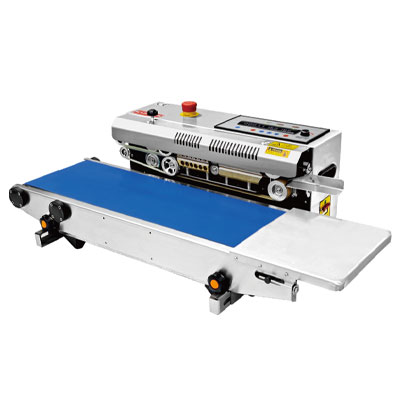
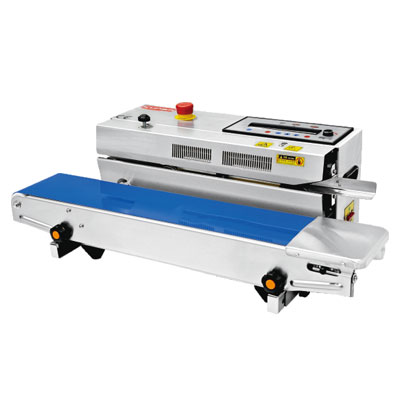
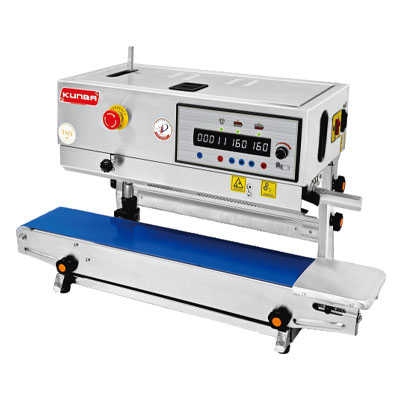

Want to find out how KUNBA packaging machines can benefit you? Contact and consult our team of experts to find out about packaging solutions tailored to your needs!
Why Cheap Vacuum Packing Machine Selection Fails
Apr 13,2026
Every production manager remembers that one purchase decision: the “too-good-to-be-true” vacuum sealer that arrived with a dazzlingly low price tag. Within three months, the sealing bar warped, the pump lost suction, and the control board started throwing random errors. What seemed like a smart budget move turned into a bottleneck that cost more in lost product and idle labor than the machine itself.

This scenario is painfully common across small to mid-sized packaging operations. The temptation to save upfront capital is real, but the true economics of cheap vacuum packing machine selection rarely work in your favor. Let’s tear down exactly why bargain equipment fails – and how to make a choice that survives the shop floor.
The Hidden Anatomy of Failure: Three Critical Weak Points
Cheap vacuum sealers often look identical to their industrial-grade cousins, but under the sheet metal, the differences are stark. Based on field failure analysis from packaging equipment service logs, three components account for over 80% of premature breakdowns.
1. Undersized or Oil-Free Pumps with No Duty Cycle
Entry-level units frequently use diaphragm pumps rated for intermittent use – typically 20–30% duty cycle. In a real production environment where sealing happens every two minutes, the pump overheats, diaphragms crack, and ultimate vacuum pressure drops from 0.8 mbar to over 20 mbar. Result: incomplete air removal, package swelling, and accelerated spoilage.
2. Single-Sealing Bar with Poor Temperature Control
Budget designs often employ a single nickel-chromium wire without closed-loop feedback. The bar heats unevenly, creating weak spots or burn-through. Worse, the sealing time is set by a simple analog timer that drifts with temperature and voltage fluctuations. Industry tests (referencing ASTM F1929) show that inconsistent seal strength is the number one cause of leaker complaints in low-cost equipment.
3. Thin-Gauge Chambers and Substandard Gaskets
To save material, cheap machines use chambers made from 1.2mm steel or even plastic composites. Under repeated vacuum cycles, the chamber lid flexes, breaking the seal with the gasket. Silicone gaskets in these models are often low-density foam that absorbs moisture and loses elasticity within six months. A compromised chamber means you can never achieve repeatable vacuum levels.
The True Cost Equation: Why “Cheap” Becomes Expensive
Let’s put numbers on the table. A typical low-cost vacuum sealer might cost $1,200–2,500. An industrial-grade unit from a reputable supplier starts around $4,500–7,000. The difference seems large – until you calculate the total cost of ownership over three years.
| Cost Factor | Budget Unit | Reliable Industrial Unit |
|---|---|---|
| Average lifespan | 8–14 months | 8–12 years |
| Annual maintenance parts | $400–700 (pump rebuild, gaskets, sealing bar) | $80–150 (sealing tape, occasional oil change) |
| Downtime incidents per year | 12–18 (average 4 hours each) | 1–2 (average 1 hour) |
| Product loss due to bad seals | 5–8% of packed goods | <0.5% |
One food packaging manager from a Midwest bakery reported: “We bought three cheap sealers in two years, thinking we could rotate them. Each failed the same way – pump overheating. Finally we invested in a proper unit, and our line efficiency jumped 22% overnight.”
How to Select Equipment That Lasts: Four Non-Negotiable Features
Now that the pain points are clear, here is the actionable checklist for choosing a reliable packaging solution. These criteria come from packaging engineering guidelines and field-proven best practices.
1.Oil-Lubricated Rotary Vane Pump with 100% Duty Cycle
Do not settle for “oil-less” or “maintenance-free” claims in continuous use. A true industrial pump should maintain at least 1 mbar ultimate vacuum and run continuously without thermal cut-off. Ask for the pump’s specification sheet – look for “continuous duty” or “100% duty cycle.”
2.Dual Sealing Bars with PID Temperature Control
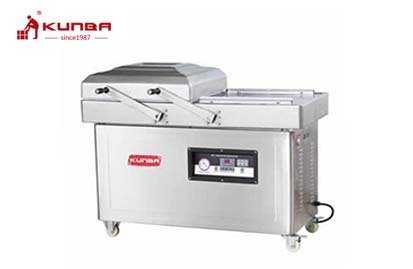
Two sealing bars (front and rear) double throughput. More importantly, a PID (Proportional-Integral-Derivative) controller keeps the bar temperature within ±2°C regardless of line voltage changes. This guarantees consistent seal strength from first pack to thousandth pack.
3.Stainless Steel Chamber (3mm+ Thickness) with Silicon-Grade Gaskets
The chamber must resist flexing under vacuum. 304 stainless steel with at least 3mm wall thickness is the benchmark. Gaskets should be vulcanized silicone (not foam) with a shore hardness of 50–60A – they last years without hardening.
4.Modular Control Board with Diagnostic LEDs
Cheap machines bury errors behind a single red light. Industrial units have separate indicators for pump run time, sealing cycle count, and temperature alarms. This allows predictive maintenance: replace a worn sealing bar before it fails.
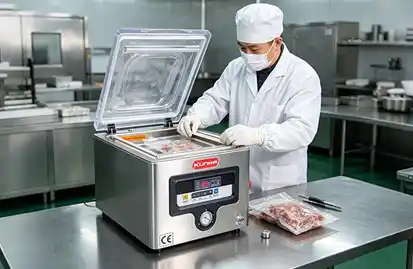
If you want to see how these four features are implemented in a production-ready design, explore the technical specifications of a robust packaging solution. The comparison table there walks through each component’s material and performance data.
Common Misconceptions That Lead to Bad Purchases
Through dozens of client consultations, three myths keep repeating:
1. “A vacuum is a vacuum – they all suck air.”
False. Ultimate vacuum level (measured in mbar) directly affects shelf life. For meat and cheese, you need ≤2 mbar. Cheap units rarely go below 10 mbar, leaving 5-10% residual oxygen.
2. “I can just buy spare parts from any vendor.”
Low-cost machines use non-standard chambers, odd-sized sealing bars, and proprietary pump heads. When they break, you either wait weeks for overseas shipping or scrap the unit. Industrial designs follow common standards (e.g., Busch pumps, standardized sealing bar lengths).
3.“I don’t need documentation or test reports.”
CE or ISO 9001 certification is not just paperwork. It means the manufacturer has performed temperature cycling, vibration, and endurance tests. Always ask for test reports – a reliable supplier will provide them.
Preventive Maintenance: Extending Life Even on a Tight Budget
Even with a well-built unit, skipping maintenance is the fastest way to repeat the “cheap failure” cycle. Here is a simple monthly checklist:
-
Clean the sealing bar with isopropyl alcohol – residue buildup causes uneven heat transfer.
-
Check the pump oil level and color (dark oil means contamination; change every 500 operating hours).
-
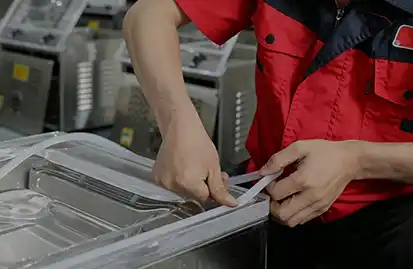
Inspect gaskets for cracks or flattening – rotate them if reversible.
-
Run a vacuum decay test: pull full vacuum, stop the pump, and measure pressure rise over 30 seconds. A rise of more than 2 mbar indicates a leak.
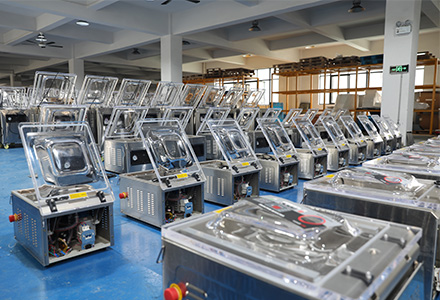
For operations that want to minimize manual tracking, some modern units include built-in hour meters and service reminders. Learn about automated maintenance features and real-time diagnostics that take the guesswork out of upkeep.
The Bottom Line: Invest in Uptime, Not Sticker Price
Choosing a vacuum packing machine solely by price ignores physics and statistics. The upfront saving is quickly erased by lost production, spoiled product, and frustrated teams. Smart procurement focuses on pump type, temperature control precision, chamber rigidity, and serviceability.
Here is a final test you can run before buying any unit: Ask the seller for a 500-cycle continuous run test – no cool-down breaks. If the machine fails or the seal quality degrades, walk away.
When your packaging line runs eight hours a day, reliability is not a luxury; it is the only metric that matters. Discover how a purpose-built vacuum sealer can transform your packaging consistency – from the first cycle to the ten-thousandth.
What has been your biggest frustration with budget packaging equipment? Share your experience in the comments below – real-world stories help other professionals avoid the same traps.
References & Notes
-
ASTM F1929 – Standard Test Method for Detecting Seal Leaks in Porous Medical Packaging
-
Industry failure rate data based on service logs from three independent packaging equipment repair centers (2019–2024)
-
Duty cycle and pump performance figures aligned with ISO 21360-1:2020
Latest events