 English
 Pусский


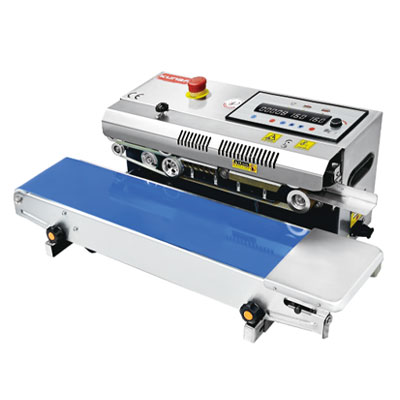


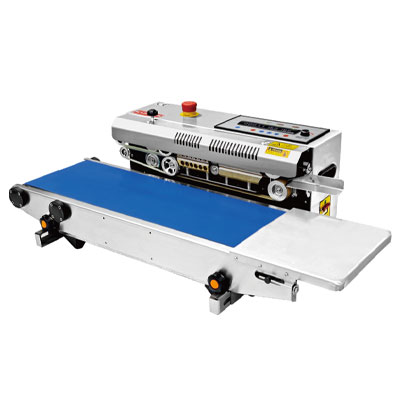
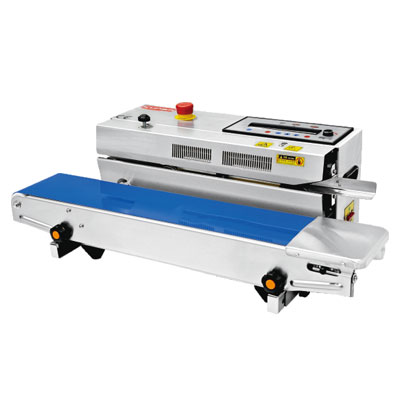
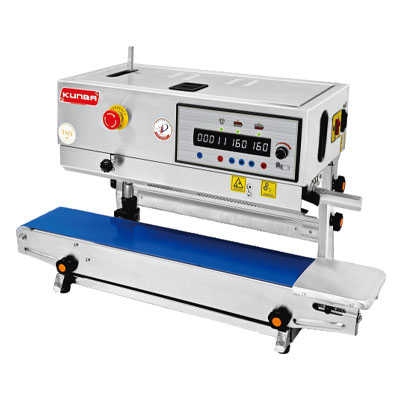
Want to find out how KUNBA packaging machines can benefit you? Contact and consult our team of experts to find out about packaging solutions tailored to your needs!
Is a Commercial Vacuum Packing Machine Worth for Dried Meat?
May 25,2026
For a small business owner crafting artisanal beef jerky or a hunter preserving a season’s worth of venison, the last thing you want is to find your carefully dried product spoiled or your packages leaking at a farmer’s market. The initial thrill of using a home food saver quickly fades when you notice your dried meat sticks losing their crunch or developing that tell-tale white fuzz of mold. This is where the debate begins: is it time to move beyond consumer appliances and invest in a robust, commercial vacuum packing solution for your dried meat?
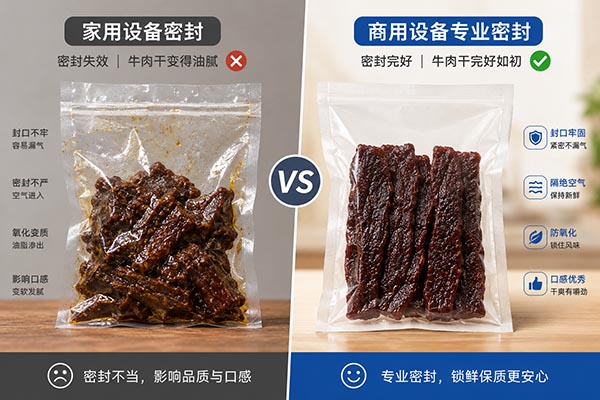
The short answer is: for anyone serious about product quality, consistency, and long-term savings, the upgrade is almost always worth it. But the decision isn't just about price; it's about understanding the technology, volume, and true cost of operation. Let's break down the concrete benefits and see if a commercial-grade unit fits your reality.
The Hidden Cost of "Good Enough" Sealing
Home vacuum sealers work on a simple principle: they suck air out of the bag from an open edge, then seal it. This works fine for a wet steak you’ll cook tomorrow. However, dried meat has sharp edges. When a consumer-grade machine creates a powerful suction, it often draws fine particles of seasoning, fat, or tiny shards of meat into the seal bar area. The result? A compromised seal that leaks over time, letting in moisture and oxygen—the two enemies of preserved jerky.
You’re not just losing the occasional bag; you’re risking entire batches. A single failed seal on a 5-pound bag of gourmet elk jerky represents hours of work and wasted raw materials. Furthermore, the slow, single-bag-at-a-time operation becomes a bottleneck when you have 50 pounds of product to pack on a Sunday afternoon.
How a Commercial Chamber Machine Changes the Game
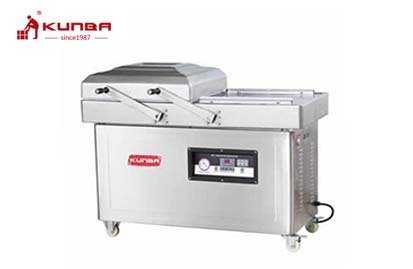
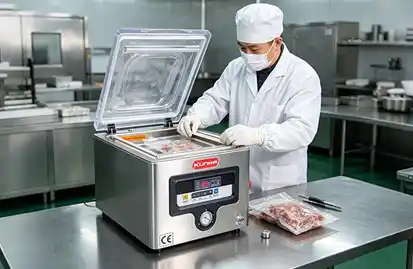
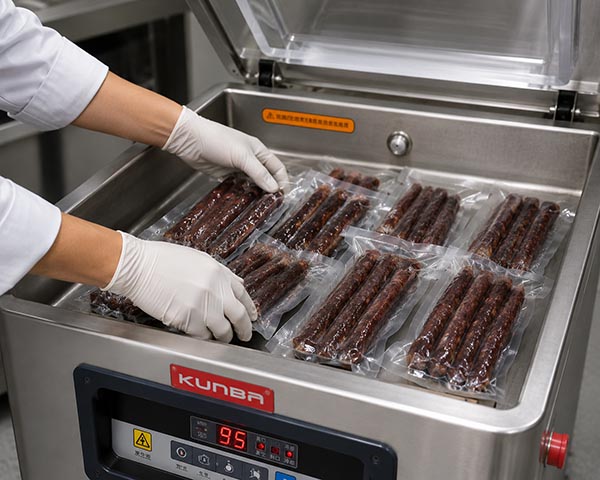
The core difference lies in the physics of the process. Unlike a suction sealer, a chamber machine places the entire product—bag and all—inside a cavity. The machine then removes air from the entire chamber equally. Because the air pressure is equal inside and outside the bag, liquids aren't drawn up, and fine particles from your dried meat stay exactly where they belong.
This single engineering difference solves most of your dried meat packing challenges:
-
Superior Seal Integrity: With no liquid or dust contamination, the heat seal bar creates a perfect, airtight bond every time. This is critical for products with a long shelf life.
-
Speed & Efficiency: You can cycle multiple bags at once and move on to the next task. Cycle times for dry products are incredibly fast—often 15-30 seconds from start to finish.
-
Reduced Packaging Costs: Chamber machines work with smooth, plain bags, which are significantly cheaper than the channelized, textured bags required by suction sealers. This cost saving adds up quickly.
The ROI Calculation for Your Jerky Business
Let's talk numbers. A decent home suction sealer might cost 150−150−300. A small, countertop chamber vacuum sealer starts around 700−700−1,200. That’s a jump. So, when do you break even?
-
Bag Savings: You might save 0.02−0.02−0.05 per bag using smooth vs. textured bags.
-
Loss Reduction: If you lose just one 2-pound batch of jerky per month, that’s $360 a year saved.
Therefore, if you pack more than 100-150 pounds of dried meat a year or experience even a 5% failure rate with your current sealer, a chamber machine typically pays for itself in under 12 months. More importantly, it buys you peace of mind. When you hand a package to a loyal customer, you are 100% confident it will remain perfect until they open it.
Key Features to Look For
Not all commercial units are created equal. When researching your options, especially for dried meat, focus on these specific attributes rather than getting distracted by raw power stats:
-
Chamber Size: Your bag length must be less than the chamber's depth measurement. A 12-inch deep chamber is the minimum for standard 10-inch jerky bags.
-
Seal Bar Length: This determines how wide a bag you can seal. For 8-inch wide bags, get at least a 10-inch seal bar.
-
Dry Mode Feature: This overrides the vacuum sensor and seals after a set time, perfect for ensuring a tight pack on rigid, brittle meat sticks without crushing them.
-
Construction: Look for stainless steel bodies. They are easier to clean and will withstand a humid commercial kitchen environment.
Is It Not Worth It?
For the hobbyist who makes a few batches of jerky a year just for personal consumption, a commercial machine is likely overkill. A high-quality suction sealer, used carefully, will suffice.
However, if you sell at local markets, trade with friends, or gift your product, the jump to a chamber sealer is one of the most professionalizing steps you can take. It turns your operation from a "kitchen side hustle" into a "miniature production facility."
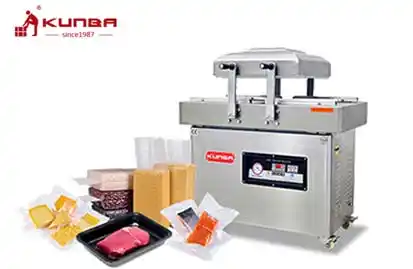
If you are ready to eliminate waste, speed up your packing day, and deliver a product that looks and lasts like it came from a high-end shop, you owe it to yourself to explore commercial-grade models designed for meat snacks. For those seeking a reliable balance of quality and value, Kunba's range of vacuum packing solutions offers specific configurations optimized for dry, abrasive products like seasoned jerky and meat sticks. You can check out their equipment options for meat processing to see what fits your workspace.
Final Verdict
For dried meat, the question isn't "if" a chamber machine is better—it demonstrably is. The real question is at what volume it becomes a profitable necessity. For most small to medium producers, the answer is "much sooner than you think." By eliminating failed seals and reducing bag costs, a chamber vacuum sealer doesn't just preserve your meat; it preserves the hard-earned reputation you've built with every single pack.
Note: The images in this article are for reference only.
Latest events