 English
 Pусский




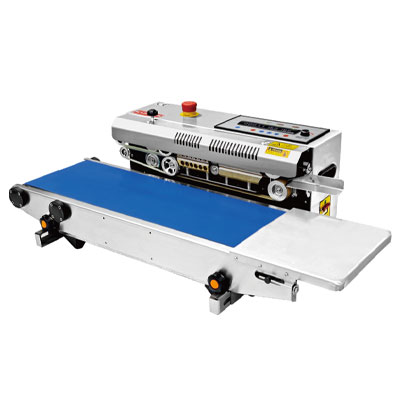
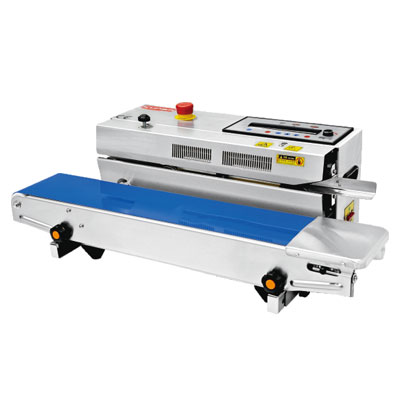
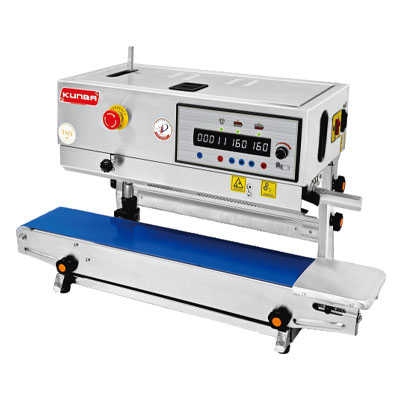
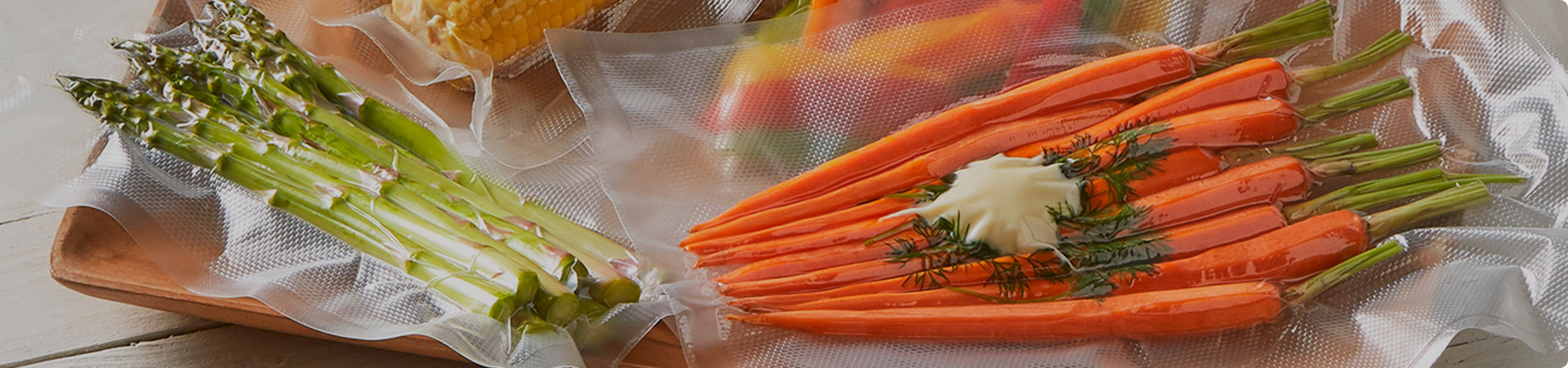
Want to find out how KUNBA packaging machines can benefit you? Contact and consult our team of experts to find out about packaging solutions tailored to your needs!
How to Set Up a Double Chamber Vacuum Packing Machine
May 28,2026
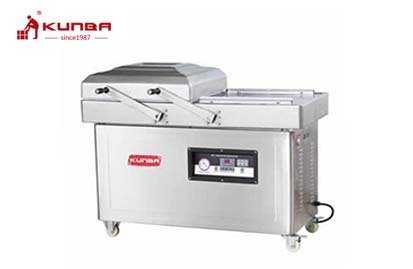
You’ve just unboxed a shiny new double chamber vacuum packing machine. The manual is 40 pages long, full of warnings and technical diagrams. Where do you start?
If you run a meat processing plant, a sous vide kitchen, or an e-commerce food business, getting this machine correctly set up is critical. A wrong setting can crush delicate products, waste vacuum pouches, or even damage the sealing bar.
In this guide, I’ll walk you through a practical, no-fluff setup process based on real-world experience with commercial vacuum sealers. You’ll learn the essential steps, common pitfalls to avoid, and a few pro tips that manuals never tell you.
(https://youtu.be/unc5rFKd7Tc?si=99j_ZBNiummjNN2w)
Before You Start – What You’ll Need
-
A stable, level table or floor space
-
Proper electrical outlet
-
Vacuum pouches
-
Product samples for test runs
Pro tip: Don’t place the machine near a heat source or direct sunlight. The vacuum pump needs ventilation – leave at least 6 inches of clearance on all sides.
If you are looking for a reliable industrial unit, you can explore commercial-grade vacuum packing solutions here – but let’s first focus on the setup steps that apply to almost any double chamber model.
1. Unpack & Inspect
Remove all packaging materials. Check inside the chamber for loose screws, tools, or desiccant bags. Verify that the sealing bar is clean and the silicone seal is intact.
Many users skip the inspection and later wonder why the vacuum won’t hold. Take five minutes now to save hours of troubleshooting later.
2. Electrical & Pump Preparation
Most double chamber vacuum packing machines come with an oil-type vacuum pump. Do not run the pump dry – check the oil level through the sight glass. The oil should be clear, between the min and max marks.
If your machine is new, fill with the recommended vacuum pump oil. For oil-free models, verify that the pump piston rings are seated correctly.
Plug the machine into a dedicated circuit. Avoid extension cords – they cause voltage drop and overheat the pump.
3. Set Vacuum & Seal Parameters
This is where most operators get confused. The control panel usually has:
-
Vacuum time – determines how much air is removed
-
Seal time – heat duration for the sealing bar
-
Cooling time – allows the seal to solidify
A simple starting point for dry products (nuts, coffee, powders):
Vacuum: 20–30 sec | Seal: 1.5–2 sec | Cooling: 3 sec
For moist or soft products (meat, fish, cooked food):
Vacuum: 30–40 sec | Seal: 2–2.5 sec | Cooling: 4 sec
Always run a test cycle with an empty pouch or a cheap product first. Adjust vacuum time until you see the pouch tightly conforming to the product without crushing it.
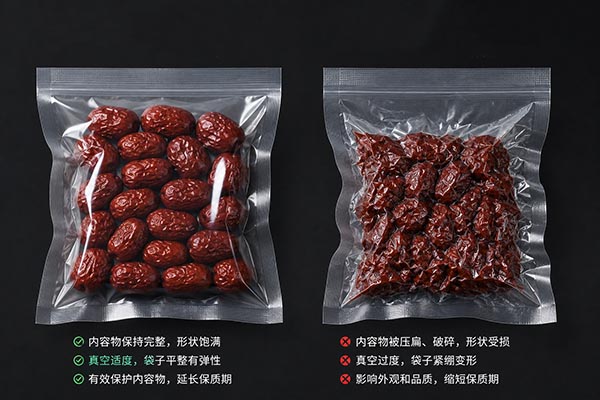
4. Load the Pouch Correctly
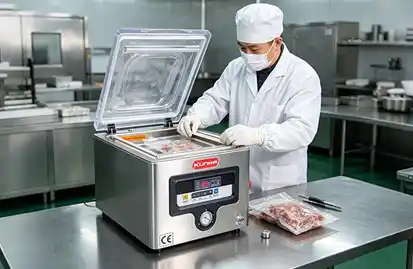
Place the product inside the pouch. Leave at least 1 inch of space above the product for the seal area. Position the pouch over the sealing bar – the open end must lie flat on the bar.
Common mistake: Placing the pouch too far forward or backward. The machine’s vacuum channel needs to be unobstructed. If the pouch edge hangs over the chamber edge, you’ll get a leak.
Close the lid. Most double chamber machines have two lids that operate alternately – but for setup, focus on one chamber at a time.
5. Run a Test Cycle
Press the start button. Listen to the pump. Watch the chamber – the lid will press down, air will be sucked out, then the sealing bar heats.
After the cycle, inspect the seal: It should be smooth, even, and completely sealed. No wrinkles or burn marks.
If the seal looks weak, increase seal time by 0.3 seconds. If it’s melted or charred, decrease seal time.
6. Daily Maintenance Routine
A double chamber vacuum packager requires minimal but regular care:
-
After each session, wipe the chamber interior and sealing bar with a damp cloth.
-
Check the vacuum pump oil weekly. Change every 200–300 operating hours.
-
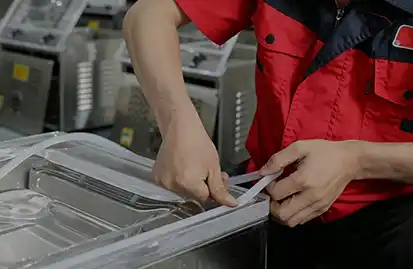
Replace the Teflon tape on the sealing bar when it looks worn (you’ll see bubbling or uneven seals).
-
Clean the vacuum sensor port – a tiny clog can cause false readings.
One thing experienced packers know: The number one reason for premature pump failure is moisture ingress. Always let products cool down before vacuum sealing. Hot food releases steam that condenses inside the pump oil.
Common Setup Mistakes & Fixes
| Mistake | Symptom | Fix |
|---|---|---|
| Wrong pouch type | The bag doesn’t shrink, remains puffy | Use embossed pouches for chamber machines |
| Overfilled pouch | Liquid gets sucked into the pump | Freeze liquids, solid, or use a 1.5x taller bag |
| Uneven sealing bar pressure | Seal is strong on the left, weak on the right | Clean the bar and check the silicone pad for flatness |
| Vacuum time too long | Product crushed, liquid boils | Reduce vacuum time by 5-second increments |
When Should You Upgrade to a Better Machine?
The setup steps above work for 90% of double chamber machines. However, some budget units have inconsistent heating elements or undersized pumps. If you find yourself constantly recalibrating or replacing seals, it might be time for a more robust solution.
For businesses that package over 500 bags per day, reliability matters. See how Kunba’s industrial double chamber models differ – they feature thicker sealing bars, German-made vacuum gauges, and a two-year warranty on the pump.
Pro-Level Tips from a Packaging Engineer
I spoke with a packaging line supervisor who runs three double chamber machines for a smoked fish company. His two most valuable tips:
-
Use “soft air” mode if available – some machines gradually introduce air during the cycle to prevent crushing delicate items like bread or berries.
-
Label your programs – many digital controllers allow saving up to 10 recipes. Name them “Jerky, 30s vac” or “Soup, 40s vac” so any employee can run them.
Also, don’t ignore the machine’s grounding. Static discharge can damage the control board. A $5 grounding wire from the machine frame to a cold water pipe saves thousands in repairs.
Final Checklist for Your First Production Run
Before you seal 100 pounds of product, verify:
-
Machine is level
-
Oil at correct level
-
Test seal passed three consecutive cycles
-
Pouch size matches chamber depth
-
Emergency stop button works
Running through this checklist takes less than 10 minutes but prevents wasted product and downtime.
Need a Machine That Won’t Fight You During Setup?
Every double chamber machine has its quirks. But a well-built unit from a brand that offers clear documentation and responsive support makes all the difference.
If you’re tired of vague manuals and want a machine that’s ready to run right out of the crate, check out Kunba’s current lineup of double chamber vacuum sealers. You’ll find detailed spec sheets, video walkthroughs, and a customer team that answers technical questions – not just sales pitches.
Happy sealing – and may your seals always be tight.
Latest events