 English
 Pусский




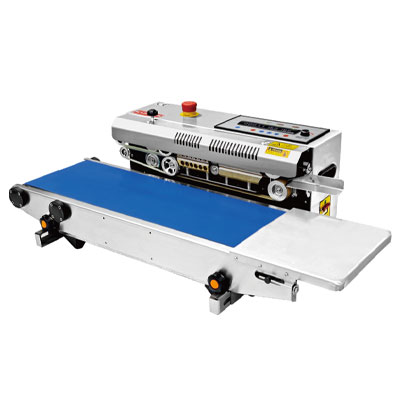
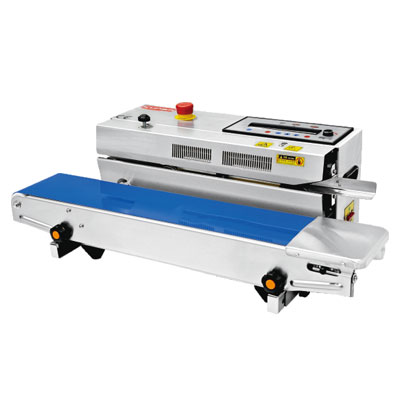
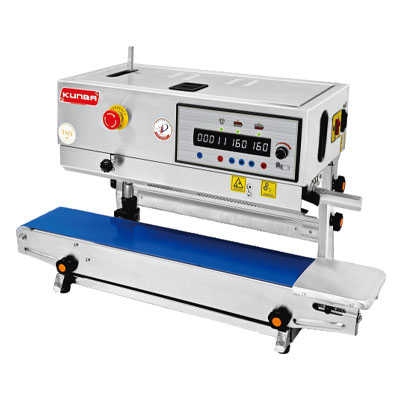
Want to find out how KUNBA packaging machines can benefit you? Contact and consult our team of experts to find out about packaging solutions tailored to your needs!
Vacuum Packing Machine Selection to Stop Spoilage
Apr 11,2026
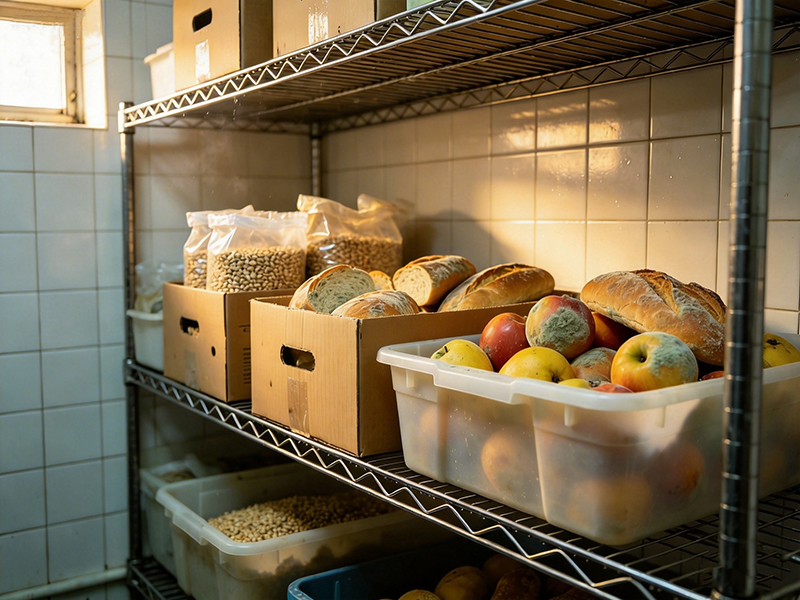
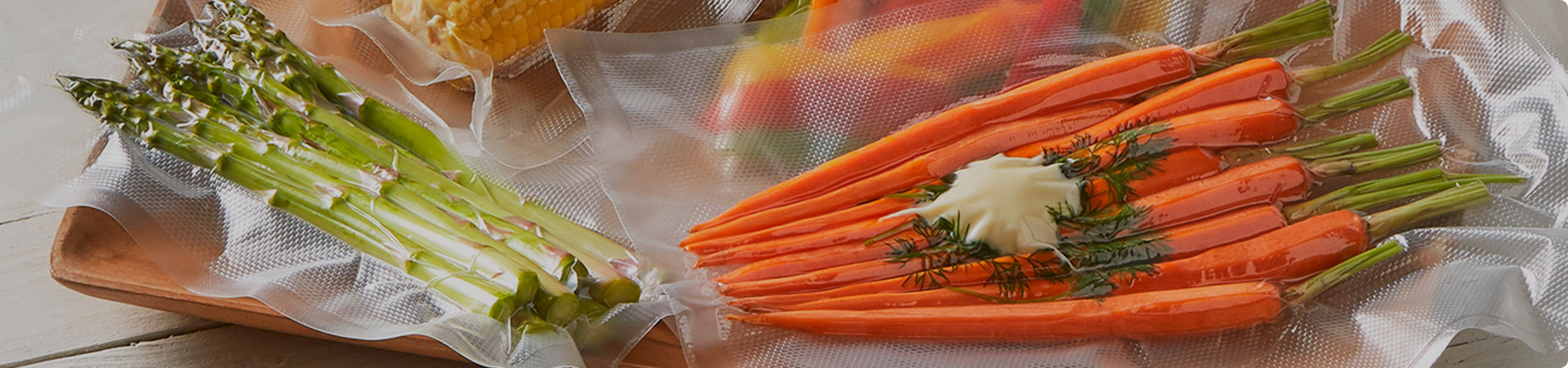
Every year, food manufacturers, meat processors, and even small bakeries lose thousands of dollars to spoilage. Mold on cheese, freezer burn on beef, staleness in coffee beans — the culprits are always the same: oxygen, moisture, and bacteria.
You’ve probably tried shrink wrap, zipper bags, or even manual hand pumps. They work for a day or two, but not for long-term storage. To really stop spoilage, you need a system that pulls out nearly all air and creates a tight seal that lasts for months.
So what should you look for when buying a vacuum packing machine? Wait — before diving into features, let’s first understand why some equipment fails and how the right choice saves you money.
Why Does Spoilage Happen Even After Packaging?
Oxygen is the enemy. It feeds aerobic bacteria, oxidizes fats (rancidity), and encourages mold growth. Moisture left inside a bag also leads to ice crystals during freezing, which rupture cell walls and turn your premium salmon into mush.
Standard packaging leaves 5–10% residual oxygen. A well-designed chamber vacuum system can bring that down to below 0.5%. But not all equipment on the market achieves this consistently. Many cheaper units lose vacuum strength after a few cycles, or they overheat and fail mid-run.
According to a 2022 industry survey by the Packaging Machinery Manufacturers Institute (PMMI), nearly 30% of small-to-mid food businesses reported spoilage losses directly linked to insufficient vacuum levels or faulty seals. The root cause? Mismatched machine specifications — using a light-duty external sealer for high-moisture products, or ignoring the importance of seal bar width.
Key Factors When Choosing a Sealing Solution
Instead of focusing on a single product name, let’s break down the technical specs that actually matter. These are the same criteria used by professional packaging engineers.
1. Chamber vs. External: Which One Fits Your Product?
-
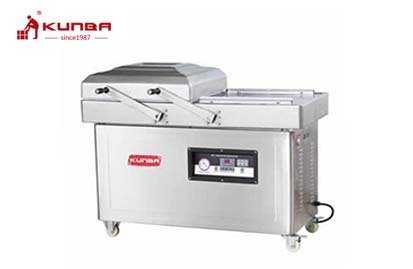
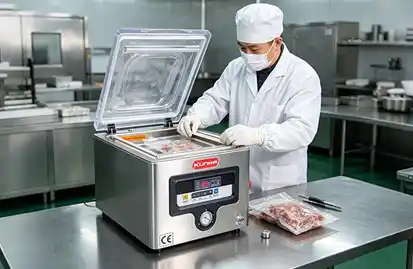
Chamber machines – The bag’s opening stays inside a vacuum chamber. Air is removed from the entire chamber, so liquids and fine powders won’t get sucked out. Perfect for marinades, soups, wet meats, and coffee.
-
External (nozzle) machines – Only air inside the bag is removed via a suction nozzle. Faster for dry products like nuts, grains, or hardware parts, but struggles with liquids.
2. Pump Capacity & Duty Cycle
Vacuum pump speed is measured in cubic meters per hour (m³/h). For continuous operation (e.g., packing 300+ bags per day), you need a dual-piston oil pump with at least 20 m³/h and a duty cycle of 80% or higher. Light-duty units with 10 m³/h and a 30% duty cycle will shut down every 15 minutes — disrupting your workflow.
3. Seal Bar Length & Material
Measure the widest bag you’ll use, then add 20%. A 400 mm seal bar can handle bags up to 330 mm wide comfortably. Teflon-coated aluminum bars last longer and produce more consistent heat distribution than bare metal or plastic alternatives.
4. Programmability & Sensors
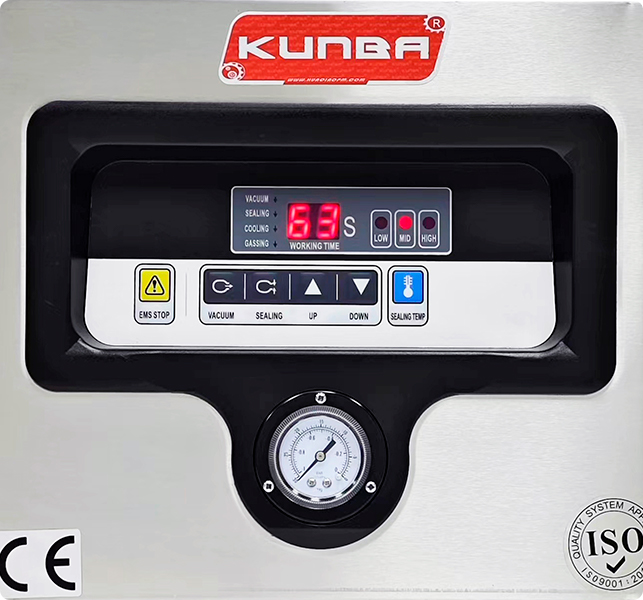
Modern systems allow you to store multiple recipes (e.g., “soft bread – low vacuum, gentle seal” vs. “frozen beef – high vacuum, double seal”). Vacuum sensors that stop pumping at a preset negative pressure (like -0.95 bar) ensure repeatability, unlike timer-based machines that over‑ or under‑vacuum.
Matching Machine Capability to Your Workflow
Now, let’s talk about your actual production line. A common mistake is buying a machine that works for today’s volume but becomes a bottleneck tomorrow.
- For a small deli or butcher shop: A compact chamber machine with a 300 mm seal bar and oil pump is sufficient. Look for stainless steel housing for easy cleaning.
- For a central kitchen or bakery: Dual seal bars, programmable cycles, and a 40 m³/h pump. You’ll also want a wider chamber depth to fit taller containers.
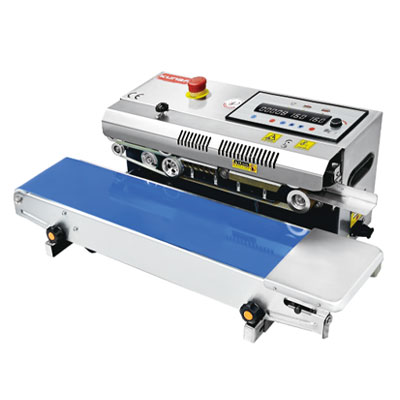
- For industrial lines: This is where you need integrated conveyor systems or twin‑chamber rotary designs — but that’s a different category.
If your current operation falls into the first two tiers, you can explore reliable equipment options that balance durability with price. Many users find that mid‑range chamber sealers from specialized brands offer the best return on investment within 6–12 months thanks to reduced spoilage alone.
Avoiding Common Operational Mistakes
Even the best equipment can’t stop spoilage if you make these errors:
-
Overfilling bags – Leave at least 3–5 cm of empty space above the product so the seal bar can close firmly.
-
Ignoring seal contamination – Powder or grease on the seal area prevents adhesion. Wipe bag rims with a clean cloth before vacuuming.
-
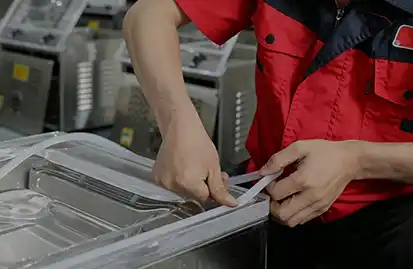
Skipping routine maintenance – Change pump oil every 500–1000 cycles. Replace Teflon tape and sealing gaskets annually.
-
Using wrong bag material – For chamber machines, use embossed or smooth bags designed for vacuum. Grocery store zipper bags won’t work.
These mistakes are easy to fix, yet they cause half of all field complaints, according to a service report from a major packaging distributor.
Making the Final Decision: A Simple Checklist
Before you purchase any vacuum sealing system, run through this 5‑point checklist:
-
Product type – Wet/dry, liquid/solid, fine powder? → Chamber for wet/liquid, external for dry bulk.
-
Daily throughput – Number of bags per hour → Match to pump duty cycle.
-
Bag size – Maximum width and height → Add 20% to seal bar length.
-
Cleaning needs – Can you access the chamber and seal bar without tools? → Avoid hidden crevices.
-
Power & air – Does your facility have compressed air (for some industrial models) or just 110V/220V outlets?
Once you have clear answers, you’ll be ready to compare specific models. A practical next step is to request a demo or a sample test. Many suppliers, including Kunba, offer material testing: you send a few bags of your actual product, and they run them through their equipment to show seal quality and cycle time.
If you want to see how a well‑designed chamber system performs with your products, you can check available configurations that match the criteria above. The right machine doesn’t have to be the most expensive — just the one that fits your spoilage profile and daily rhythm.
Still Unsure? Let the Data Guide You
Write down your last month’s spoilage quantity in kilograms or dollars. Multiply by 12. That’s your annual loss from inadequate packaging. Now compare that to the cost of a proper vacuum packing machine (used twice, as allowed). For most small businesses, the payback period is under 4 months. That’s not an expense — it’s an investment.
Disclaimer: Performance results vary by product type, storage conditions, and maintenance practices. Always conduct your own trials before full-scale implementation.
Latest events