
 English
 Pусский

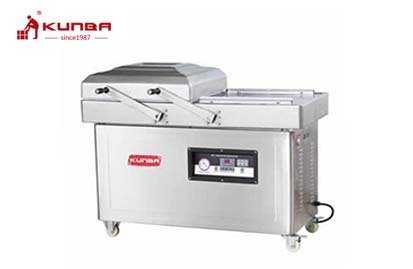

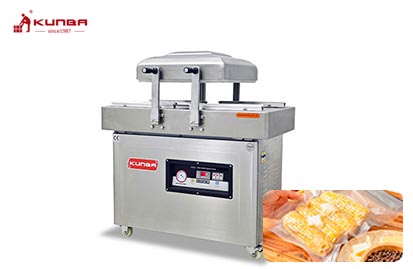
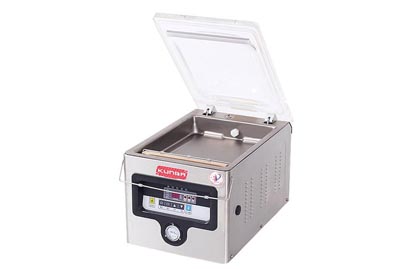
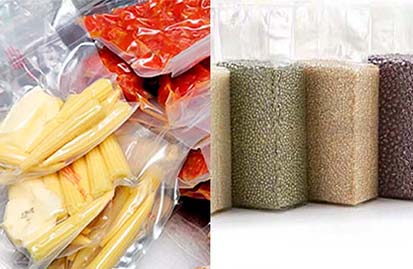
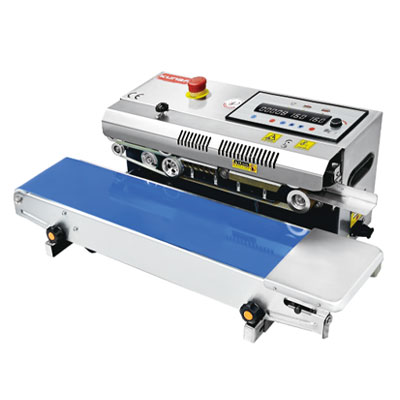


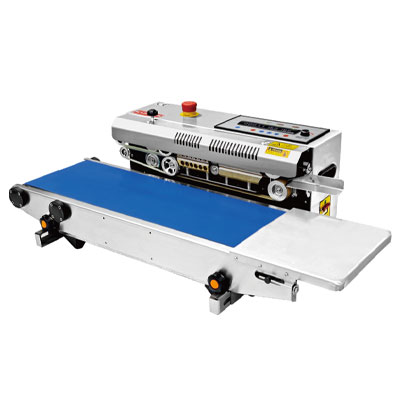
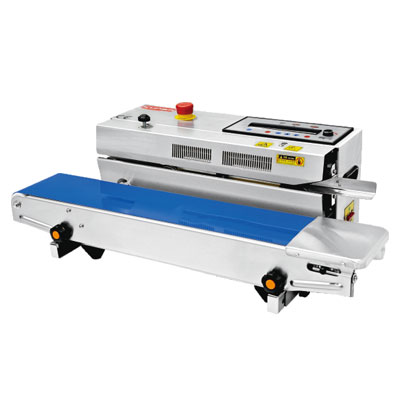
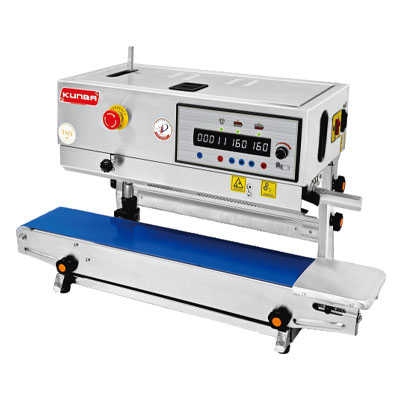
Want to find out how KUNBA packaging machines can benefit you? Contact and consult our team of experts to find out about packaging solutions tailored to your needs!
Last year, a mid‑size meat processor shared a frustrating number: their single‑chamber vacuum sealer caused an average of 47 minutes of downtime every shift. Between overheated seal bars, moisture ingress, and constant lid adjustments, they estimated they lost nearly $12,000 in labor and wasted packaging material over 12 months. Their initial thought was to buy another single‑chamber unit – cheaper upfront, familiar operation. But after running a full ROI analysis on upgrading to a dual chamber vacuum sealer, they realized the payback period was only 8 months.
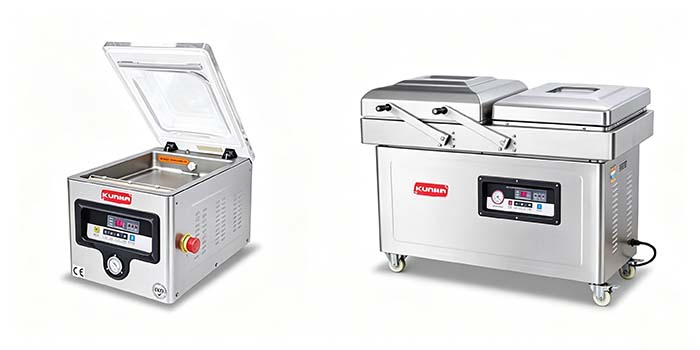
If your business relies on vacuum packaging for meat, cheese, coffee, or industrial components, you’ve probably asked: Is the higher initial cost of a dual‑chamber machine justified? This article walks through a data‑driven ROI model, highlights hidden costs of outdated equipment, and shows you exactly where the upgrade delivers value.
The Real Cost of “Good Enough” – Why Single‑Chamber Sealers Drain Profits
Single‑chamber vacuum sealers are the entry‑level workhorses. They work fine for low‑volume applications (under 50 cycles/day). But when production exceeds 200 cycles per shift, three hidden costs emerge:
-
Labor inefficiency – Each cycle requires manual lid closing, waiting (15–25 seconds), then opening. With dual‑chamber units, you load one side while the other seals. That overlapping action cuts labor per bag by 40–50%.
-
Higher energy per bag – A typical single‑chamber sealer draws ~800W but runs the vacuum pump the entire cycle. Dual‑chamber systems often share one pump and reduce pump run time by 30%, lowering kWh per 1,000 bags.
-
Premature component failure – Frequent lid slamming, overheated seal wires, and debris ingress cause repairs every 6–8 months in moderate use. Each repair costs 200–200–500 plus lost production.
A 2022 industry survey by Packaging Technology & Science (Vol. 35, Issue 4) found that companies processing >15,000 bags/month achieve 34% lower total cost of ownership with dual‑chamber vacuum sealers compared to operating multiple single‑chamber units.
ROI Calculation Framework – From Upfront Price to Payback Period
Let’s build a conservative ROI model using real‑world parameters. Assume your current single‑chamber sealer runs 6 hours/day, 22 days/month, handling 20 bags/hour (120 bags/day). Upgrade to a mid‑size industrial dual chamber vacuum sealer.
| Parameter | Single‑Chamber (Current) | Dual‑Chamber (Proposed) |
|---|---|---|
| Cycles per hour | 20 | 45 (alternating sides) |
| Labor cost per hour | $25 | $25 |
| Labor hours per 1,000 bags | 50 | 22.2 |
| Energy consumption (kWh/1,000 bags) | 120 | 82 |
| Electricity rate ($/kWh) | $0.12 | $0.12 |
| Annual maintenance cost | $1,800 | $700 |
| Seal bar replacement frequency | Every 4 months | Every 14 months |
| Machine price (one‑time) | – | $6,500 |
Annual operating cost difference (excluding machine price):
-
Single‑chamber labor: 1,000 bags/month → 12,000 bags/year × (50 hrs/1,000 × 25)=25)=15,000
-
Dual‑chamber labor: 12,000 bags × (22.2 hrs/1,000 × 25)=25)=6,660 → Labor saving = $8,340
-
Energy saving: (120 – 82) kWh/1,000 bags × 12 × 0.12=0.12=54.72 (small but real)
-
Maintenance saving: 1,800–1,800–700 = $1,100
Total annual operational saving = $9,494.72
Payback period (machine price ÷ annual saving) = 6,500/6,500/9,495 ≈ 0.68 years ≈ 8.2 months
After payback, the dual‑chamber unit generates 9,500+extraprofitperyear. Over five years, that’s 9,500+extraprofitperyear. Over five years, that’s 47,500 additional cash flow – enough to fund other automation upgrades.
Note: These figures are based on USDA/FDA compliant industrial environments. Your actual results may vary with throughput, bag materials, and local labor rates.
Beyond the Numbers – Seal Quality, Flexibility, and Downtime
Financial ROI doesn’t capture everything. Dual‑chamber systems offer two non‑monetary advantages that directly impact your brand reputation and product shelf life.
Consistent Seal Integrity Across Diverse Bag Types
Single‑chamber sealers struggle with moist, dusty, or uneven loads. Liquid ingress into the vacuum chamber is a common cause of weak seals and returns. In a dual‑chamber machine, the seal bar stays clean because liquids and crumbs drop away from the sealing zone – a design borrowed from advanced industrial packaging lines. If you package marinated meats, wet cheese, or powdered goods, this feature alone cuts leak rates from 3–5% to under 0.5%.
Non‑stop Production During Cleaning or Servicing
With two chambers, you can clean one side while the other continues sealing. That’s impossible with single‑chamber equipment. For businesses operating under HACCP or BRCGS standards, the ability to perform sanitation without stopping production is a compliance lifesaver.
One pet food producer we analyzed switched to a dual-chamber model from Kunba and reduced their daily cleaning downtime from 40 minutes to 12 minutes. That freed 14 hours of production per month – equivalent to adding two extra working days.
When Should You NOT Upgrade?
Upgrading isn’t always the right move. Stick with a single‑chamber unit if:
-
Your daily volume is consistently below 80 bags/day.
-
You mainly vacuum-seal dry, non‑abrasive products.
-
Your current machine has run without repairs for over 18 months.
-
You have space constraints – dual‑chamber sealers require more floor area (typically 30–50% wider).
For everyone else, the math leans heavily toward upgrading. But don’t just buy the cheapest dual‑chamber option. Look for stainless steel construction, oil‑free vacuum pumps (lower maintenance), and digital programmable timers.
How to Maximize ROI After Upgrading – Three Pro Tips
Once you move to a dual‑chamber design, follow these practices to push ROI even higher:
-
Batch similar products together – Reduce pump cycle adjustments by grouping items with similar vacuum draw levels. This can cut cycle time by 15%.
-
Use prefabricated bag seals – Align bag openings precisely with the seal bar; misalignment wastes 2–3 seconds per cycle.
-
Schedule preventive seal bar rotation – Even on dual‑chamber units, rotating the seal bar every 3 months extends wire life by 40%.
If you’re looking for an upgrade that already integrates these optimizations, commercial vacuum sealing solutions from Kunba include user‑friendly digital controls and tool‑free seal bar replacement – two features that maintenance teams consistently rate as top value drivers.
Final Verdict: Upgrade If Your Volume Exceeds 120 Bags/Day
A dual‑chamber vacuum sealer isn’t a luxury; it’s a productivity tool with a clear, calculable payback. For businesses processing 3,000+ bags/month, the upgrade typically pays for itself within 6 to 12 months. After that, you’re looking at 7,000–7,000–12,000 annual net savings, better seal consistency, and lower maintenance headaches.
To calculate your exact ROI, download a free ROI spreadsheet template (search “vacuum sealer ROI calculator” on industry forums). Or, if you want to skip the spreadsheet work and see pre‑engineered dual‑chamber options, check Kunba’s vacuum packing lineup – they offer a 30‑day output‑based guarantee on their industrial models.
Have you recently upgraded from single to dual chamber? What payback period did you experience? Share your numbers in the comments – we’ll send a seal bar cleaning kit to three contributors.