 English
 Pусский




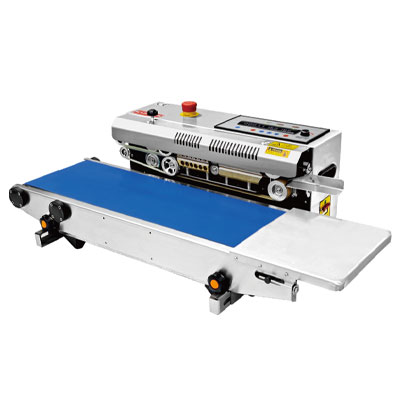
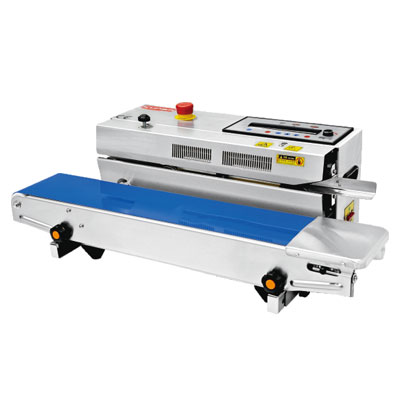
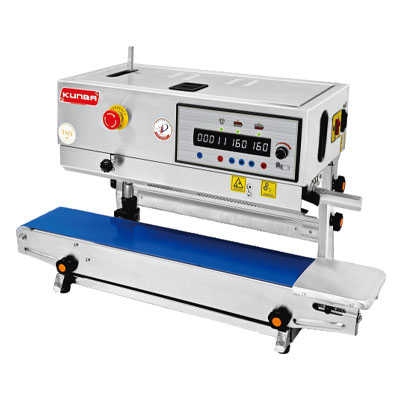
Want to find out how KUNBA packaging machines can benefit you? Contact and consult our team of experts to find out about packaging solutions tailored to your needs!
Vacuum Packing Machine Selection: 7 Key Steps
Apr 15,2026
Choosing the right vacuum packaging setup boils down to matching your product type, output volume, sealing consistency, and long-term operating costs—no guesswork needed. Vacuum Packing Machine remains a cornerstone for extending shelf life, preventing oxidation, and streamlining packaging workflows across food, electronics, and hardware industries. According to the 2026 Global Vacuum Packaging Report by Global Market Insights, 72% of food producers cite poor sealing performance and low vacuum stability as their top operational headaches, while properly matched equipment reduces product waste by 19% and boosts line efficiency by 24% on average. This step-by-step guide cuts through marketing fluff and focuses on real-world buying logic that actually protects your bottom line.
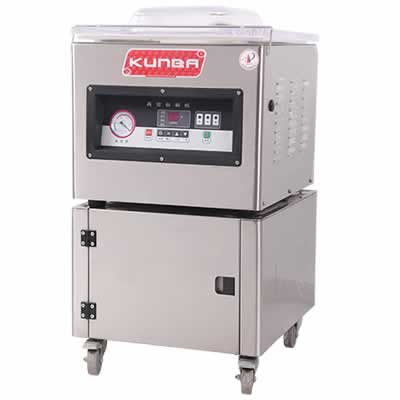
Step 1: Define Product Characteristics & Packaging Goals
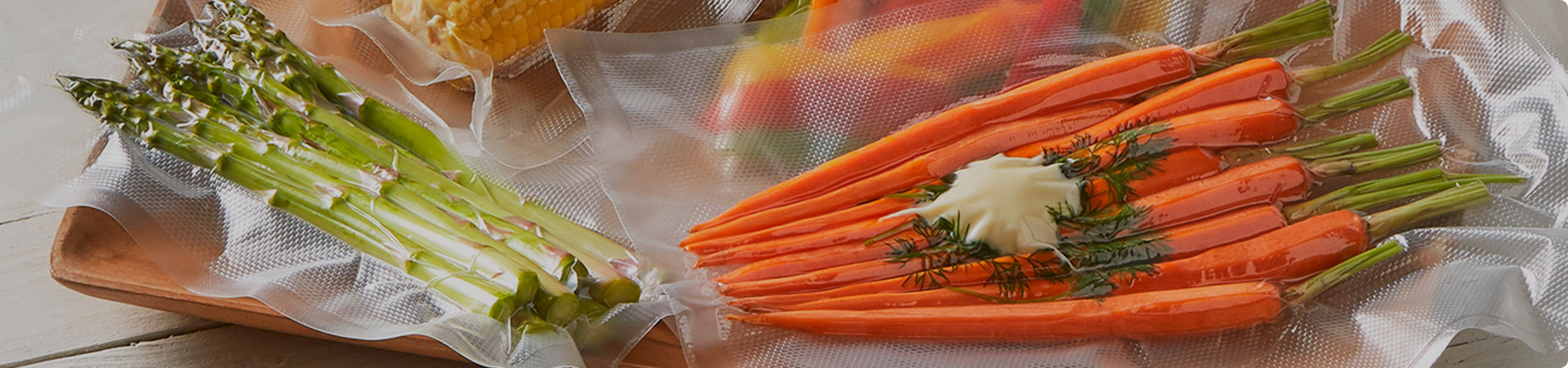
Start with what you’re actually packaging, not what the sales rep recommends. Moist, oily, sharp-edged, or powdery goods all demand different sealing setups. For perishables like meat, seafood, and prepared meals, ultra-high vacuum retention and leak-proof sealing are non-negotiable. Dry goods such as nuts, grains, and electronic components prioritize moisture-proof barriers and consistent air extraction.
I’ve seen buyers waste thousands on over-specced machines for simple dry-pack tasks, and others struggle with weak sealers that fail on moist products. Map your product texture, bag size, and required shelf life first—this eliminates 60% of bad matches upfront.To review model suitability for different product types, you can check detailed application profiles.
Step 2: Match Chamber Size & Output to Daily Production
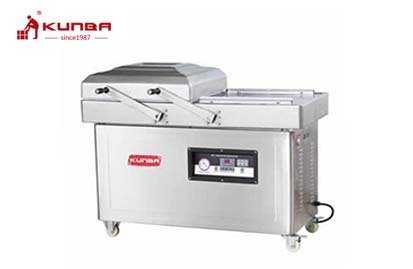
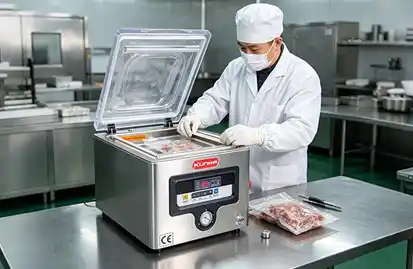
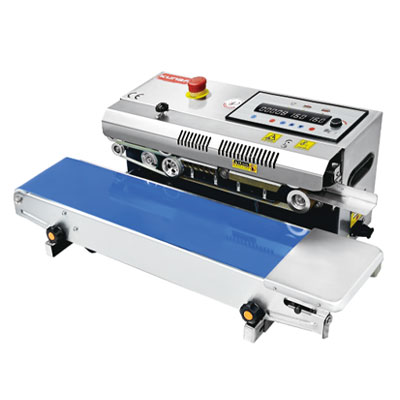
Under-sizing leads to bottlenecks; over-sizing wastes capital and floor space. Small-scale delis or craft producers thrive with compact single-chamber units. Mid-sized food processors need dual-chamber systems with fast cycle times. Large-scale factories require automatic continuous vacuum sealing lines with conveyor integration.
Calculate your real hourly output, not theoretical maximums. A machine rated for 60 cycles per minute is useless if your team can only load 30. Account for shift patterns, changeover time, and future growth to avoid costly upgrades in 12 months.
Step 3: Prioritize Vacuum Pump Performance & Stability
The pump is the heart of any system. Oil-lubricated pumps deliver deeper vacuum and longer life for heavy daily use; oil-free pumps suit low-duty, clean-environment applications. Look for stable vacuum levels down to 1–5 mbar for sensitive products, and check pump response time—slow air extraction ruins cycle efficiency.
Cheap pumps overheat, lose pressure, and require frequent servicing. In my experience, skimping on the pump is the single most regretted purchase decision in this category.
Step 4: Evaluate Sealing Quality & Durability
Seal failure means lost product and damaged reputation. Check wide sealing strips (8–12mm), adjustable temperature control, and anti-scorch technology to prevent burn-through on thin films. For heavy use, reinforced sealing bars and quick-replaceable heating elements reduce downtime.
Test seals with your actual packaging film—not generic samples. A seal that holds in the factory may fail in cold storage or transit.
Step 5: Assess Ease of Operation & Maintenance
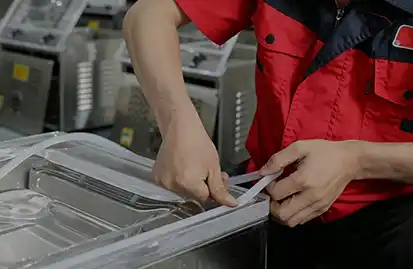
Complex controls kill productivity. Modern machines offer intuitive touch panels, one-touch presets, and error alerts to cut training time. Removable chambers, tool-free part access, and accessible filters make daily cleaning and upkeep far less painful.
High-maintenance machines drain labor hours. Prioritize designs that let your team perform basic service without specialized technicians.
Step 6: Calculate Total Cost of Ownership (TCO)
Upfront price tells only part of the story. Factor in energy use, consumable costs, replacement parts, and service response. Energy-efficient pumps and optimized heating systems cut monthly bills significantly. Brands with local support avoid long waits for repairs.
Over five years, a slightly more expensive machine with low running costs often beats a cheap, high-maintenance alternative by a wide margin.
Step 7: Verify Customization & After-Sales Support
Off-the-shelf machines rarely fit unique needs. Look for brands that offer tailored vacuum packaging configurations, including modified chambers, special loading systems, gas flushing add-ons, and line integration tools. Reliable after-sales includes installation, training, and prompt spare parts supply.
A customized setup aligns with your space, workflow, and product quirks—turning a standard machine into a purpose-built solution.
Vacuum Sealing vs. Other Packaging Methods
Many buyers weigh options based on speed, cost, and protection level. Here’s a straightforward comparison from real production floors.
Shrink wrap machines excel at display-ready packaging and basic protection but offer no oxygen barrier or long-term preservation. They work well for retail presentation but fail at extending shelf life for perishables.
MAP (Modified Atmosphere Packaging) equipment maintains freshness with gas blends but requires gas supplies and higher operating costs. It’s ideal for delicate fresh produce but overkill for many dry or frozen items.
Vacuum Packing Machine delivers strong oxygen removal, compact packaging, and reliable preservation at a lower operational cost. It dominates in high-volume food processing, hardware packaging, and long-storage applications where consistent barrier performance matters most. While initial investment can be higher, its durability and waste reduction drive stronger long-term returns.
Why KUNBA Delivers Reliable Vacuum Packaging Solutions
With over 15 years serving food and industrial clients, KUNBA builds equipment around real user pain points, not just technical specs. Its lineup balances robust performance, user-friendly design, and scalable customization.
Key strengths:
- Stable vacuum output for consistent sealing
- Heavy-duty components for 24/6 production
- Flexible customization for unique products and lines
- Global service network for fast support
- Transparent TCO modeling to help buyers plan budgets
Whether you run a small butcher shop or a large processing plant, KUNBA adapts to your workflow instead of forcing you to adapt to the machine.To explore real-world implementation examples, you can browse industry success stories.
Final Selection Checklist
Before signing off, confirm these points:
- Vacuum level and seal strength match your product needs
- Chamber and speed fit your actual daily output
- Controls and maintenance fit your team’s skill level
- Total operating cost fits long-term budget
- Customization and support meet your operational demands
The best vacuum packaging system isn’t the most expensive—it’s the one that runs reliably, reduces waste, and makes your daily operation smoother.For personalized guidance based on your products and production layout, you can request a tailored selection consultation.
Latest events