
 English
 Pусский

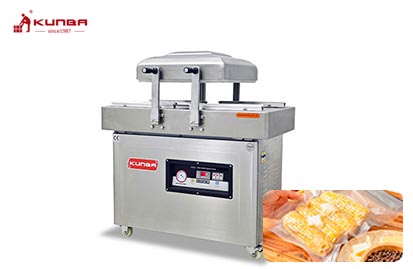

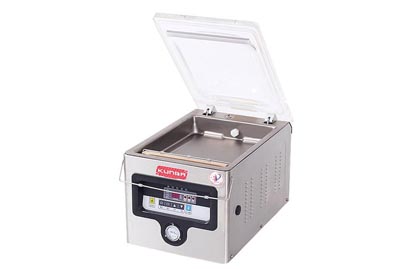
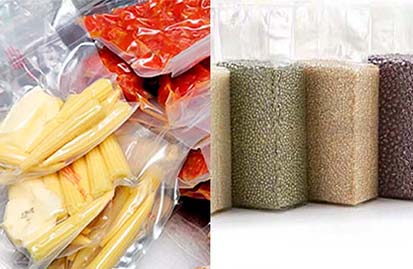
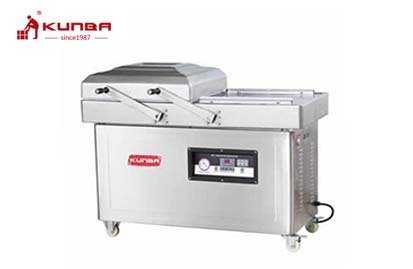
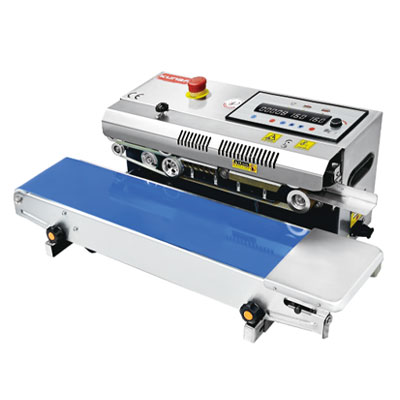


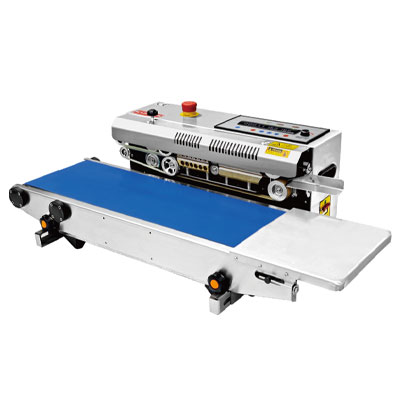
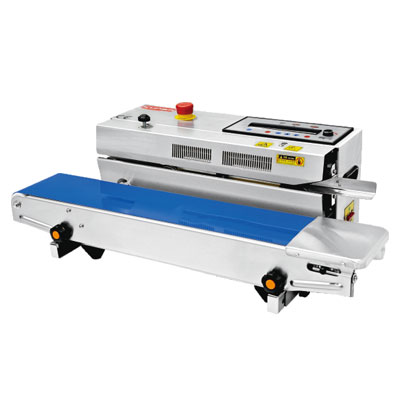
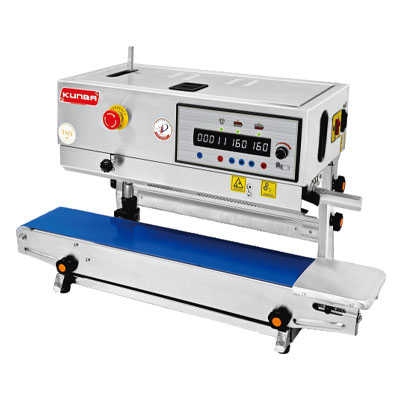
Want to find out how KUNBA packaging machines can benefit you? Contact and consult our team of experts to find out about packaging solutions tailored to your needs!
Starting a small food business, a butcher shop, or a meal prep service? You’ve probably noticed that keeping ingredients fresh and reducing packaging waste is a daily challenge. Many owners start with household vacuum sealers, only to find they overheat, fail to seal properly, or take forever to process a batch.
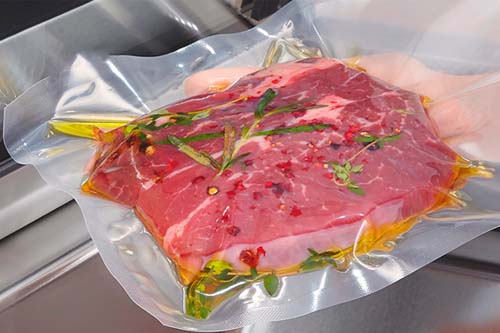
This is where a compact vacuum packaging machine for commercial use makes a real difference. But with so many models advertised as “for small business,” how do you pick the one that won’t break down after three months? Below is a practical, no-fluff guide based on real workshop experience and technical standards.
1. Understand your real workload – duty cycle matters
Most entry-level sealers are designed for home use: a few cycles per day. For a small deli or a coffee roastery packaging beans, you may need 50–100 cycles daily. The key spec is duty cycle – usually expressed as “on-time / off-time” or cycles per hour.
-
Light duty: Occasional portion packaging, dry goods.
-
Medium duty: Daily fresh meat, cheese, or vegetable packing.
-
Heavy-duty: Continuous operation for meal kits or frozen products.
Pro tip: Look for models with active cooling fans or all-metal sealing bars. Plastic housing units rarely survive medium-duty workloads.
2. Chamber size vs. external sealers – which fits your product?
Tabletop vacuum packers generally fall into two categories. Understanding this will save you from buying the wrong type.
| Feature | Chamber Vacuum Sealer | External (Nozzle) Sealer |
|---|---|---|
| Liquid/marinade handling | Excellent – liquid won’t be sucked out | Poor – liquid can ruin the pump |
| Bag cost | Uses cheaper, plain, and smooth bags | Requires special textured bags (costlier) |
| Cycle speed | Slower (lid open/close) | Faster for small batches |
| Typical small business use | Meat, soups, marinated veggies, soft fruits | Dry foods, coffee, nuts, hardware parts |
If you process liquids or moist products, invest in a small chamber vacuum packer. For dry items like roasted coffee beans or spices, an external sealer may be sufficient – but be honest about your growth plan.
3. Seal bar length and bag width – don’t guess
One of the most overlooked parameters is seal bar length. A 300mm seal bar can handle bags up to 280mm wide. Common sizes:
-
250–300 mm – Suitable for single steak portions, small cheese wedges, 1lb coffee bags.
-
350–400 mm – Fits whole fish, racks of ribs, or multi-bag sealing in one cycle.
-
450 mm+ – Usually moves into floor model territory.
For a small business scaling up, a 350–400mm seal bar is the sweet spot. It gives you room for larger cuts while still fitting on a standard counter.
4. Pump type and vacuum pressure – dry vs. oil
Two main pump technologies are found in compact vacuum packaging equipment for commercial kitchens: oil-lubricated and dry (oil-free).
-
Oil-lubricated pump – Higher vacuum strength (up to 99.9% air removal), longer lifespan, but requires periodic oil changes. Best for frequent, heavy use.
-
Dry pump – No maintenance, cheaper, but lower vacuum level and shorter duty cycle. Suitable for light, intermittent use.
If you’re planning to sell vacuum-packed products (e.g., sous-vide kits, cured meats), aim for at least 95% air removal – that usually means an oil pump.
5. Build quality and ease of cleaning – hygiene is non‑negotiable
A tabletop unit that sits next to your prep area will collect food debris and liquids. Look for:
-
Removable drip tray or sloping interior for cleaning.
-
Sealing bar that can be flipped or detached.
-
Control panel with sealed membrane (not open buttons where juice can enter).
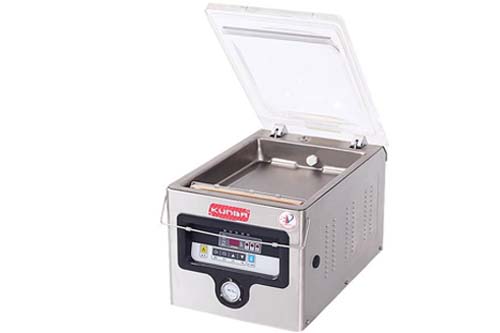
Common mistake: Choosing a unit with a glued-in gasket. Once it wears out, replacing it is a nightmare. Prefer models with replaceable silicone gaskets.
6. Budget beyond the purchase price – consumables and support
The initial price tag is just the beginning. Factor in:
| Cost item | Annual estimate (light usage) | Annual estimate (heavy usage) |
|---|---|---|
| Replacement seal bars | $20–40 | $60–120 |
| Oil (for oil pumps) | $10 | $30–50 |
| Gasket replacement | $15 | $30 |
| Textured bags (external sealer) | $100–200 | $300+ |
Also, check if the brand offers spare parts and user manuals. Many budget units become paperweights the moment a seal bar fails.
7. Avoid these 3 “small business” traps
-
Trap 1: “It has 5-star reviews from home users.ers”
Home use is not commercial use. A unit that works twice a week may fail in two weeks of daily operation. -
Trap 2: Ignoring the power cord length
Sounds trivial, but a 1.2m cord on a 60cm deep counter often won’t reach a wall outlet – forcing you to use an extension cord, which can void the warranty. -
Trap 3: Forgetting about noise
Oil-free pumps are loud (75–85 dB). If your packaging station is near a customer-facing area, an oil-lubricated pump (quieter at 65–70 dB) is a better investment.
8. Putting it all together – a simple decision flow
-
Do you seal liquids or moist foods? → Yes → Chamber type required. No → External possible.
-
Daily cycles? → <30 → Dry pump may work. >30 → Oil pump recommended.
-
Max product width? → Measure your biggest item + 50mm → That’s your minimum seal bar length.
-
Growth plan? → 20% more cycles than today’s peak.
If you want to skip the research and see a well-built machine that meets medium-duty commercial standards, take a look at Kunba’s lineup of reliable tabletop sealers. They are designed with replaceable parts, oil-lubricated options, and seal bars up to 400mm – all at a price that won’t crush your startup budget.
Final words
Choosing a countertop vacuum packaging solution for your small business doesn’t have to be guesswork. Focus on duty cycle, pump type, and seal bar length – ignore flashy features like “10-in-1 preset programs” that you’ll never use. Invest in a machine that can grow with you, and always buy from a brand that publishes spare parts availability.
For a hands-on comparison of different models or to request a tailored quote based on your daily volume, feel free to explore the detailed specs and customer reviews. The right packer will pay for itself in reduced food waste within months.