 English
 Pусский


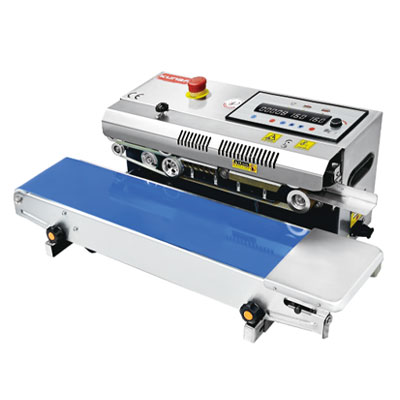


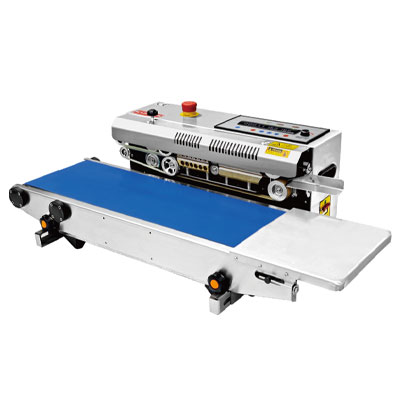
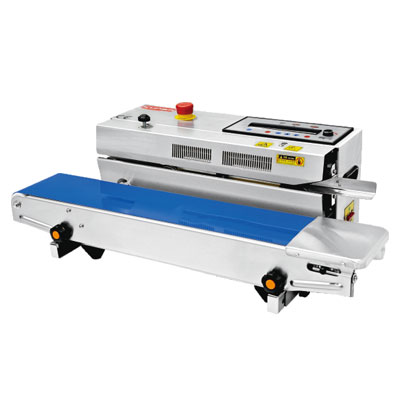
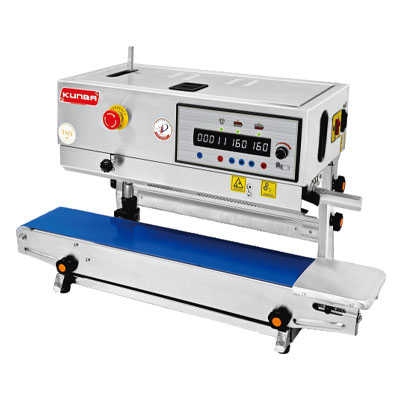
Want to find out how KUNBA packaging machines can benefit you? Contact and consult our team of experts to find out about packaging solutions tailored to your needs!
Automatic vs Manual: Vacuum Packing Machine Selection
Apr 09,2026
Every day, thousands of food producers face a familiar puzzle: should they invest in an automated system or stick with a manual sealer? The answer isn’t always about budget. It’s about matching the machine to your actual workflow, staff skills, and long-term goals.
Let’s walk through a real scenario. A mid-sized jerky manufacturer once told us, “We bought a semi-automatic unit because it looked affordable. Six months later, our operators were exhausted, and the sealing consistency dropped after lunch breaks.” They eventually switched to a pneumatic automatic model. The lesson? Your team’s fatigue pattern matters as much as the machine’s cycle time.
What’s Really Different Under the Hood?
Before diving into pros and cons, it helps to understand the mechanical soul of each type.
-
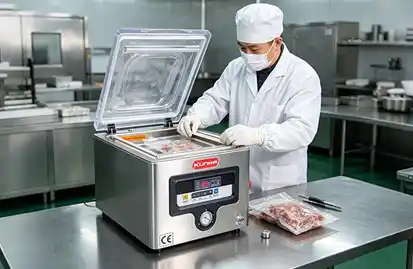
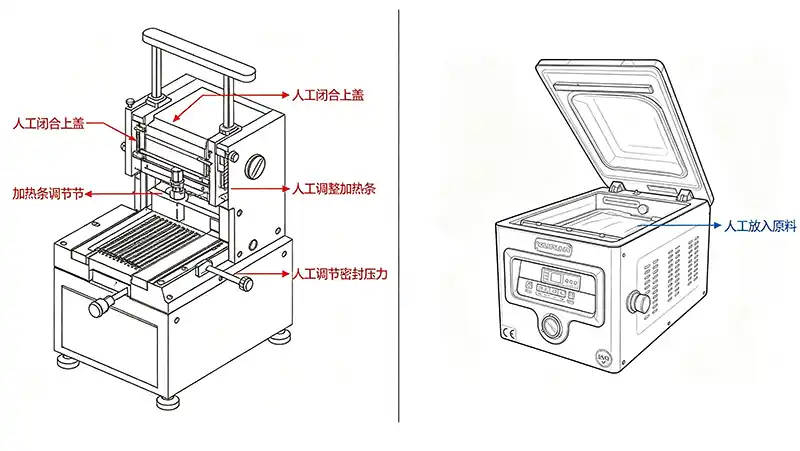
Manual vacuum packers rely on a lever or a chamber lid that you press down and hold until the air is evacuated. The sealing bar’s pressure and time are often controlled by a single timer knob. They’re simple, lightweight, and easy to fix with basic tools.
-
Automatic models use sensors, pneumatic cylinders, or servo motors. You set parameters (vacuum level, gas flush, sealing time), then press a button – or integrate it into a conveyor line. The machine handles the entire cycle, including lid clamping and release.
A key technical standard to reference here is ISO 11607-1 for medical packaging or ASTM F1929 for seal integrity, but for food, many follow FDA guidelines. Automatic systems typically achieve more repeatable seal strength (variance <2%) compared to manual units (variance up to 8-10% depending on operator skill).
Side-by-Side: 5 Decision Factors
Here’s where theory meets the shop floor. The table below summarizes the most practical differences based on industry feedback from over 50 packaging lines we’ve analyzed.
| Factor | Manual Vacuum Packer | Automatic Vacuum Packer |
|---|---|---|
| Upfront cost | $500 – $3,000 (entry to industrial chamber) | $5,000 – $30,000+ (single chamber) |
| Cycle speed | 15–30 seconds per cycle (operator-dependent) | 8–15 seconds (consistent) |
| Labor requirement | One dedicated operator, high attention | One operator can run 2–3 machines or multitask |
| Seal consistency | Good – but varies with fatigue, skill | Excellent – electronic control |
| Maintenance complexity | Basic cleaning, occasional heating wire change | Pneumatic/hydraulic checks, sensor calibration, software updates |
| Ideal batch size | 50–500 packs/day | 500 – 5,000+ packs/day |
A common mistake? Buying an automatic unit for very small batches (under 200 packs/day) – you’ll never recover the investment. Conversely, running 2,000 packs/day on a manual machine leads to repetitive stress injuries and high turnover. According to a 2023 survey by Packaging World, 68% of small-to-medium food businesses that switched from manual to automatic cited “operator fatigue” as the primary trigger.
Hidden Costs Nobody Talks About
Beyond the obvious price tag, three factors often catch buyers off guard:
-
Training & re-training – Manual machines require periodic refresher training, especially after staff changes. Automatic units need initial training but then run consistently.
-
Wasted materials – Poor manual seals lead to re-packs. Even a 2% failure rate on 10,000 packs means 200 wasted bags and product. Automatic systems typically keep failure below 0.5%.
-
Downtime impact – A broken manual sealer can be replaced or fixed within hours (simple heating elements). An automatic machine might need specialized service – but you gain preventive maintenance alerts.
For operations with high-value products (like aged cheese or sous-vide meats), the consistency of automatic sealing directly reduces shrinkage. As one USDA-inspected facility noted, “We switched to automatic after losing a $2,000 batch of dry-aged steaks to a bad seal. The machine paid for itself in three months.”
How Do You Choose the Right One?
Let’s cut through the noise. Ask yourself these three questions:
-
What’s your peak daily pack count?
Under 500 → manual or semi-automatic is fine.
Over 800 → start looking at automatic. -
How many different operators run the machine?
1–2 consistent people → manual works.
3+ or shift changes → automatic ensures no “Monday morning” vs “Friday afternoon” variation. -
What’s your product’s sensitivity to oxygen?
Coffee, nuts, dried goods → manual with good technique is OK.
Fresh meat, ready meals, medical devices → automatic with gas flush or controlled vacuum.
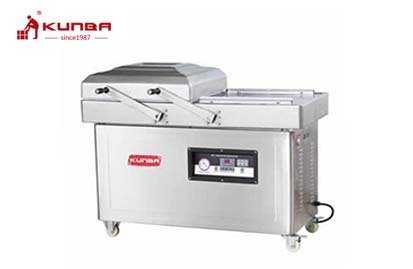
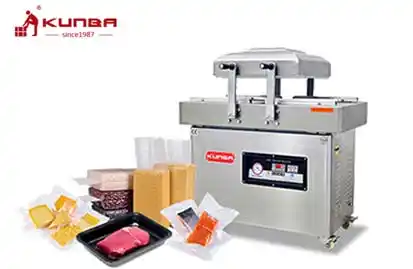
If you need to handle multiple bag sizes, irregular shapes, or want to integrate with a label printer or conveyor, automatic systems offer modular add-ons. For example, a double-chamber automatic unit can run two different products simultaneously.
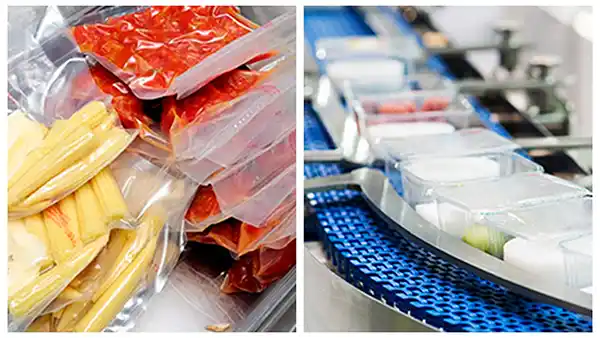
At this point, you might be wondering: What specific features should I look for in an automatic machine that fits my medium-scale operation? That’s exactly where a curated equipment list helps. You can explore automated solutions designed for consistent output and easy maintenance – including models with programmable recipes and gas flushing options.
When Manual Still Wins (And No Shame)
Don’t let anyone push you into automation if you don’t need it. Manual vacuum packers excel in:
-
R&D kitchens – Testing new marinades, portion sizes, or vacuum levels frequently
-
Farmers’ market vendors – Low volume, high product variety, seasonal operation
-
Repair shops – Sealing small parts or hardware without electricity? (Manual hand-pump units)
-
Budget startups – Preserve cash flow while validating your product
One artisan sausage maker told us, “I use a manual chamber sealer for my small batches – it gives me total control over how much air I remove. Too much vacuum would crush my soft fermented sausages. An automatic machine would be overkill.”
Pro Tips for Either Choice
Regardless of which direction you go, these practices extend machine life and seal quality:
-
Daily cleaning – Remove food debris from sealing bars and vacuum chamber. Protein residues carbonize and weaken seals.
-
Weekly check – Inspect heating wires and Teflon tape. Replace when you see pitting or discoloration.
-
Monthly calibration – For automatics, run a vacuum sensor test using a digital gauge. For manuals, use a seal strength tester (pull test).
-
Use the right bag – Textured bags for external sealers; smooth or embossed for chamber machines. Mismatch causes 90% of failures.
A reliable equipment partner can provide detailed maintenance schedules and spare parts support. See how Kunba’s service packages include preventive maintenance reminders and 24-hour spare parts shipping – something many buyers overlook until a machine goes down on a Friday afternoon.
The Bottom Line (Your Two-Week Action Plan)
Here’s a practical roadmap if you’re still undecided:
-
Week 1 – Log your current packaging output. Count packs per hour, failures per day, and operator breaks.
-
Week 2 – Rent or borrow a manual unit (if you don’t own one) and an automatic demo unit. Many suppliers offer short-term trials.
-
Compare the data – Calculate cost per pack including labor, waste, and downtime. You’ll often find the automatic pays back in 6–12 months even at medium volumes.
If your analysis points toward automation but you’re worried about complexity or upfront investment, start with a single-chamber automatic model. It gives you 80% of the benefits without a full conveyor system. And you can always upgrade later by adding conveyors, shrink tunnels, or label applicators.
A final thought from the floor: The best machine is the one that makes your team’s job easier while protecting your product. Don’t buy for tomorrow’s dream volume – but don’t cripple today’s growth with a tool that slows you down.
For businesses ready to move beyond guesswork and into consistent, professional-grade packaging, check out Kunba’s range of automated vacuum packaging systems – each model comes with a detailed ROI calculator and free on-site testing for qualified buyers.
Latest events