
 English
 Pусский

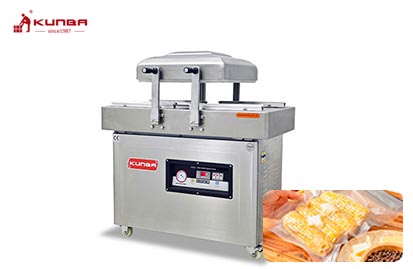

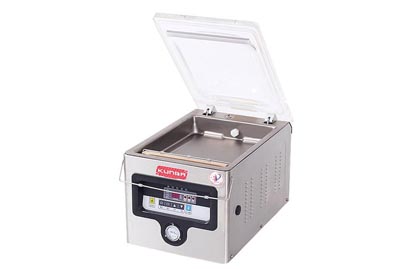
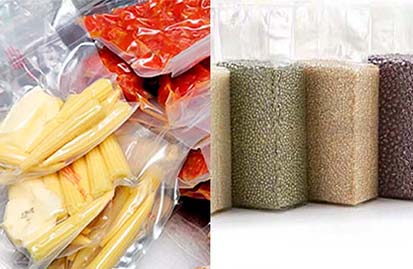
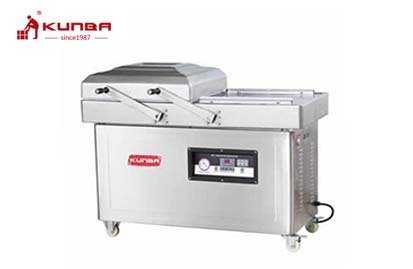
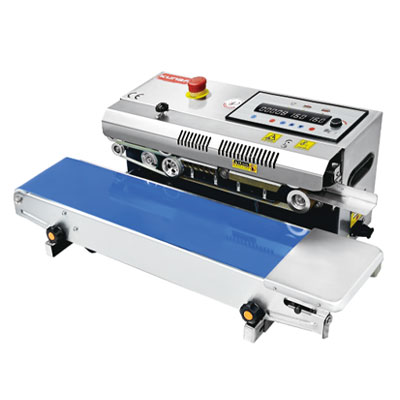


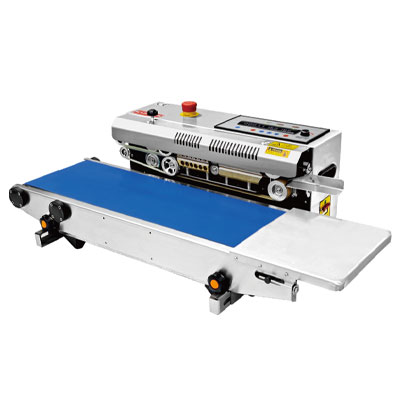
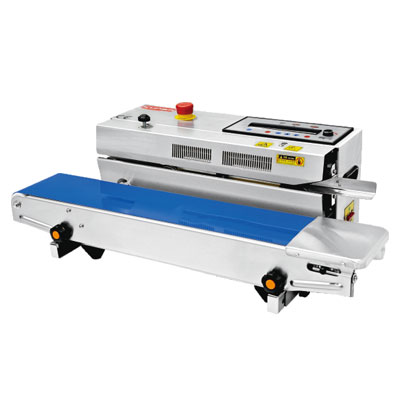
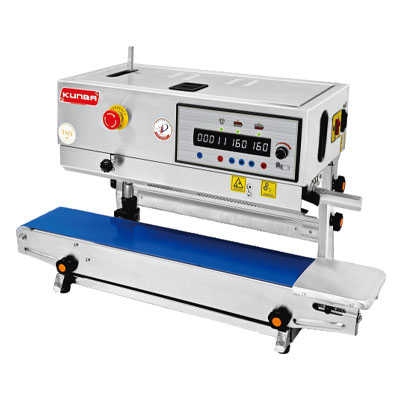

Want to find out how KUNBA packaging machines can benefit you? Contact and consult our team of experts to find out about packaging solutions tailored to your needs!
The packaging line stopped at 9:47 AM on a Tuesday. A display screen showed an error code that wasn’t in the manual. The supplier’s phone number led to a voicemail box that hadn’t been set up. Three hours later, the production manager was still searching YouTube for “vacuum sealer pump not cycling” while two pallets of product waited and sixteen workers stood idle.
Hardware failures are inevitable. Every mechanical system will eventually need adjustment, repair, or replacement parts. What separates a minor inconvenience from a catastrophic production halt is not the machine’s reliability statistics—it is the quality of support standing behind it.
When evaluating a packaging equipment purchase, buyers typically compare price, cycle speed, and vacuum performance. Yet the most financially significant variable often remains an afterthought: what happens when something goes wrong? This guide breaks down the five pillars of genuine full support and how to verify them before signing a purchase order.
Beyond the Warranty Document: What Full Support Actually Means
A printed warranty is not supported. Support is a living ecosystem of responsiveness, technical knowledge, and logistical capability. Based on feedback from maintenance managers across food, pharmaceutical, and industrial packaging facilities, full support includes five measurable components:
1. Remote Diagnostic Capability
When a machine stops, the first question is: “Can we fix it without a service visit?” Modern equipment should offer error code logging, cycle counters, and preferably a control interface that a technician can guide you through over a video call. Support without remote diagnostics means every issue becomes a travel charge.
2. Published Spare Parts Availability
A comprehensive parts list with lead times and pricing should be available before purchase. Common wear items—sealing bars, Teflon tape, heating elements, pump oil filters, gaskets—must ship within 24-48 hours. Ask for the supplier’s parts fill rate. Industry best practice is 95%+ in-stock for critical items.
3. Technical Documentation That Answers Real Questions
Not just a parts diagram. Full support includes: detailed troubleshooting flowcharts, cycle parameter guides for different products, electrical schematics with test points, and a knowledge base of common fault patterns. If the only documentation is a poorly translated single sheet, walk away.
4. Operator and Maintenance Training
The best support teaches you to help yourself. Look for suppliers who provide: on-site commissioning training, a video library of routine maintenance steps, and written lockout/tagout procedures. Some also offer remote refresher sessions after six months—a sign of genuine commitment.
5. Regional Service Network or Rapid Exchange Program
For critical lines, you cannot wait two weeks for a replacement pump. Full support means either a local service technician within driving distance or a guaranteed advance replacement policy where a refurbished component ships before you return the failed unit.
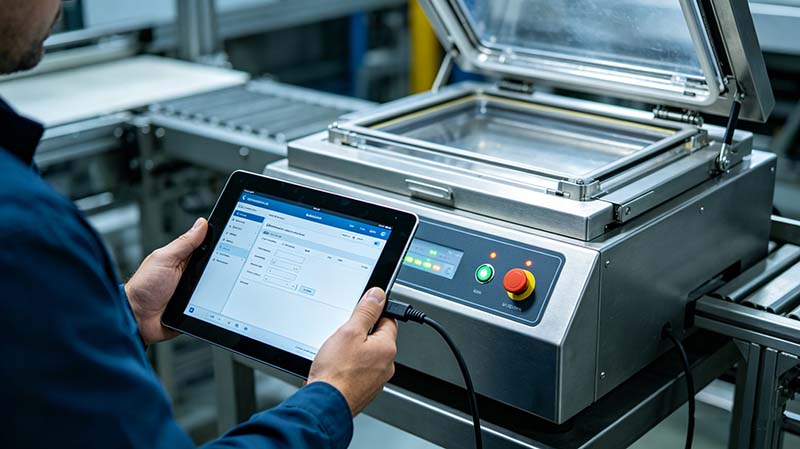
The Cost of “No Support” – A Real-World Comparison
Let us compare two identical factories buying functionally similar chamber sealers. Factory A pays 15% more upfront for a machine from a supplier with full support. Factory B buys the lowest-cost unit from an online marketplace.
| Scenario | Factory A (Full Support) | Factory B (No Support) |
|---|---|---|
| First breakdown (month 7) | Error code called in, technician recognized faulty sensor, part shipped overnight. Downtime: 6 hours | Supplier unreachable. Local repair shop refuses because no schematics. Downtime: 9 days |
| Second breakdown (month 14) | Pump oil analysis showed contamination. Preventative rebuild scheduled. Downtime: 4 hours planned | The sealing bar thermocouple failed. Replacement part took 22 days from overseas. Machine scrapped |
| Third event (month 22) | New operator error. The training video was resolved in 20 minutes | The same operator error broke the sealing plate. No training materials available. Repeat 14-day wait |
| Total 2-year downtime | ~14 hours | ~35+ days (estimated 18,000+lostproduction+18,000+lostproduction+4,500 in emergency purchases) |
A dairy packaging manager in Wisconsin shared this: “Our first sealer came from a broker who disappeared after the sale. When the vacuum gauge failed, we couldn’t even find a replacement because the part was non-standard. We lost a full week of yoghurt cup production. The second time, we paid more for a supplier with a real parts department. That extra cost paid for itself in the first four months.”
Red Flags: How to Spot Weak Support Before Buying
During your supplier evaluation, watch for these warning signs:
-
No published support phone number or email – only a generic contact form.
-
Parts list is marked “confidential” or “available upon request” – they likely do not stock common spares.
-
Warranty requires you to ship the machine back at your cost – effectively worthless for industrial equipment.
-
Technicians cannot answer basic process questions (e.g., “What cycle would you recommend for 3mil nylon bags with chicken?”)
-
No documented training materials or video library – support is reactive, not proactive.
-
Long lead times quoted for standard wear parts – sealing bars should not take six weeks.
Ask each potential supplier for three specific pieces of evidence:
-
A sample parts price list with in-stock status and typical shipping times.
-
A link to their technical documentation portal (or provide a sample troubleshooting page).
-
A reference customer who has used their support for at least one year—and call that reference.
The Anatomy of a Healthy Support Relationship
Once you have selected a supplier with strong support, here is how to maximize that relationship:
Before the machine arrives:
-
Designate two operators as “equipment leads” who will receive deeper training.
-
Download and print all documentation. Organize it in a binder near the machine.
-
Verify that your facility’s electrical and compressed air systems meet the supplier’s specifications.
During commissioning:
-
Record the machine’s baseline cycle parameters for your most common products.
-
Run a “failure drill” with the supplier’s technician: simulate a common error and walk through the fix.
-
Confirm that the spare parts you ordered match the physical components.
After six months:
-
Schedule a remote check-in. A good supplier will proactively ask for pump oil samples or seal bar photos.
-
Update your internal training materials with any tips discovered during production.
-
Reorder common wear items before they fail—do not wait for the error code.
If you want to see how these support principles are implemented in a production environment, review the service and documentation package offered with a complete sealing solution. The support section details remote diagnostic protocols, spare parts matrices, and training schedules.
Special Considerations for International Buyers
For buyers importing equipment across borders, support takes on additional complexity. Three extra questions to ask:
-
“Do you have a service partner in my country?” If not, ask about their remote support hours relative to your time zone.
-
“What is your policy for warranty parts replacement across customs?” Some suppliers undervalue shipments to avoid duties—this can cause customs delays. Insist on proper commercial invoices.
-
“Can you provide digital copies of all documentation before shipment?” This allows you to translate or adapt materials locally while the machine is in transit.
A food processor in Southeast Asia reported: “Our European supplier had excellent support in theory, but every replacement part took three weeks through customs. We eventually switched to a supplier with a regional warehouse in Singapore. The upfront cost was similar, but the parts arrived in three days.”
When Support Becomes a Competitive Advantage
In high-volume packaging lines, every hour of unplanned downtime costs between 500and500and5,000 depending on product value and labor burden. A vacuum packing machine that saves 2,000upfrontbutfailswithoutsupportforfivedayshaseffectivelycost2,000upfrontbutfailswithoutsupportforfivedayshaseffectivelycost10,000+ more than a reliable supported unit.
Savvy procurement managers now include support metrics in their total cost of ownership models. They assign dollar values to:
-
Average response time for technical inquiries (industry median: 4 hours for premium support)
-
Maximum parts delivery time (acceptable: 48 hours for critical items)
-
Availability of remote diagnostic tools (binary: yes/no)
When you calculate over three years, the “cheap” machine rarely wins.
Your Support Checklist Before Signing
Print this checklist and use it during your next equipment evaluation:
| Support Feature | Verify By |
|---|---|
| Published phone or chat support with stated hours | Call once during a break – does someone answer? |
| Online parts store with real-time inventory | Search for a common wear part – is the price and lead time shown? |
| Troubleshooting guides for the top 20 error codes | Request a sample – do they exist? |
| Training videos for daily cleaning and weekly maintenance | Ask for a link – are they current? |
| Spare parts kit recommendation for the first year | The supplier should provide a list with quantities |
| After-hours emergency contact (for 24/5 or 24/7 operations) | Get the number before purchase – test it |
If a supplier hesitates to provide any of these, consider that a clear answer.
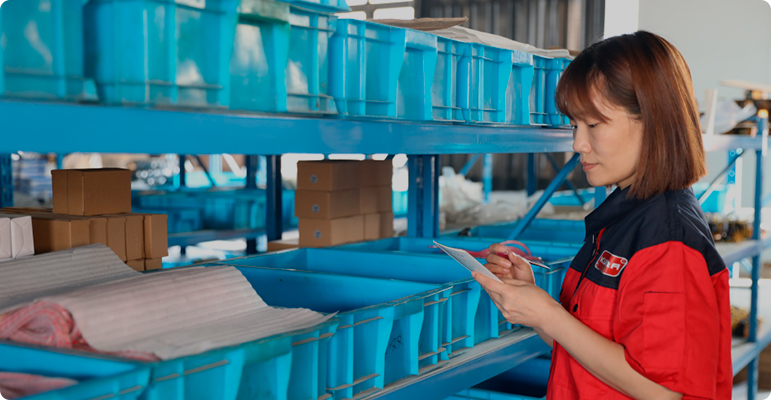
Making the Final Decision
The decision between two functionally similar sealers should rarely come down to price alone. The machine that keeps running—and can be fixed quickly when it does not—is the one that maximizes your line’s output over its lifespan.
Ask yourself: In twelve months, will you remember paying 10% less, or will you remember the three days of lost production because a support call went unanswered?
For teams that value uptime over upfront savings, explore the support infrastructure built around a durable packaging platform. The documentation library, parts logistics, and diagnostic tools are designed to be used—not just listed on a spec sheet.
What is the most frustrating support experience you have had with packaging equipment? Share your story in the comments. Real examples help other buyers ask better questions before they commit.
References & Technical Notes
-
Downtime cost estimates based on industry surveys from Packaging World and PMMI (2023–2024)
-
Spare parts fill rate benchmark (95%) adapted from APICS supply chain metrics.
-
Remote diagnostic capability standards referenced from the ISA-88 batch control guidelines
-
Customer anecdotes anonymized per request from industry contacts
-
Images are for reference only.