
 English
 Pусский


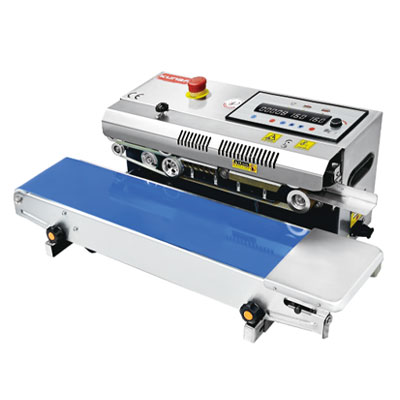


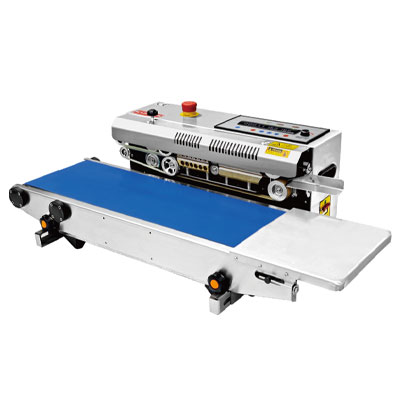
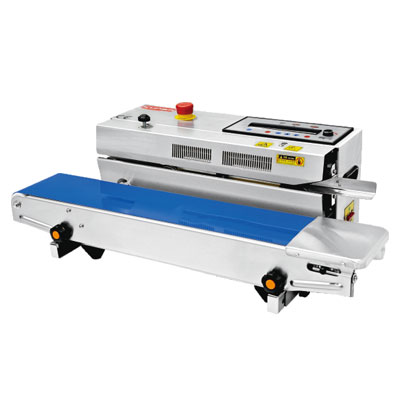
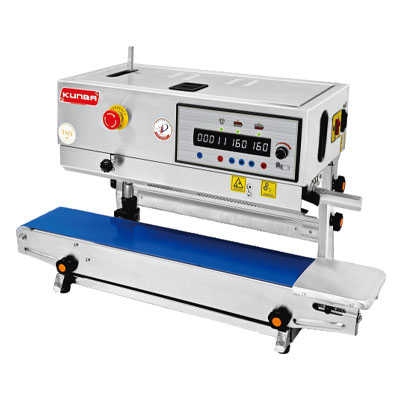

Want to find out how KUNBA packaging machines can benefit you? Contact and consult our team of experts to find out about packaging solutions tailored to your needs!
Every operations manager in the food and pharmaceutical sectors eventually hits the same wall: a growing order book, rising complaints about product shelf life, and a packaging line that can't keep up. The natural reaction is to search for a bigger, faster sealing system. But after working with dozens of mid-sized processors across Southeast Asia, I’ve noticed that the most expensive bottlenecks aren’t caused by slow equipment — they’re caused by mismatched equipment.
That’s why a disciplined selection process matters far more than a feature checklist. Below is the exact framework engineers and QA managers use to narrow down options, structured around four decision layers that move from understanding your product to verifying long-term support.
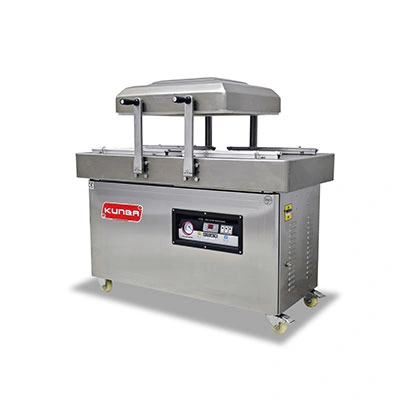
How to Pick a Vacuum Packing Machine?
1. Define Your Real Packaging Envelope, Not Just the Machine’s Spec Sheet
Most buyers start by comparing technical datasheets. It’s the wrong first step. The very first document you should create is a packaging specification for your top three SKUs, written from the product’s perspective rather than the equipment’s.
A well-written spec includes: the physical dimensions and weight of the product, its sensitivity to crushing, the presence of sharp bones or edges (puncturing is the leading cause of seal failure in protein processing), and the required oxygen transmission rate of the barrier film you plan to use. The packaging film itself dictates cycle requirements — for instance, EVOH-based high-barrier films demand a gentler vacuum draw and a precise heat-seal dwell time to avoid channeling, a defect that can cut shelf life by 60% according to barrier integrity tests conducted by film suppliers.
Once this document exists, you can compare it against the chamber dimensions and seal bar configuration of each unit. A frequent error is choosing a seal bar length that accommodates the widest bag you currently use, leaving no room for seasonal product variations. Plant engineers who processed both raw pork cuts and marinated ribs told us the moment they sized the seal bar for the widest marinade pouch plus a 20% margin, their rework rate from misalignment dropped significantly. If your product mix spans delicate berries and dense cheese blocks, you may want to explore modular chamber configurations that allow quick changeovers without recalibrating the entire vacuum curve for each SKU.
2. Break Down the Performance Numbers That Actually Matter
Brochures are full of absolute numbers: ultimate vacuum pressure, pump flow rate, cycles per minute. But these numbers are meaningless when taken out of the context of your film thickness and product shape. Instead of memorizing the maximum vacuum level, ask for the time required to reach 1–5 mbar inside a loaded chamber with your own packaging material. This is the single most revealing metric.
Here’s a practical way to benchmark the core metrics. I recommend requesting a factory acceptance test using your actual products and film, and then measuring three things:
| Metric to Track | What It Exposes | Industry Reference |
|---|---|---|
| Pump-down time (50Hz vs 60Hz) to 10 mbar | Pump sizing adequacy for your bag volume; underrated pumps cause temperature rise and oil mist | ISO 21360-1 vacuum pump performance |
| Seal strength variance across 10 consecutive cycles | Consistency of the heating element and pressure distribution | ASTM F88 seal strength test |
| Residual oxygen level post-packaging | True leak tightness and vacuum efficacy, critical for MAP extensions | Below 1% O2 for red meat preservation |
When examining a vacuum packing machine, don’t just look at the pump brand. Request the complete vacuum circuit diagram — a quality system uses solenoid valves with chrome-plated poppets rather than diaphragm valves for the air purge line, because residual moisture will degrade diaphragm life within six months in high-humidity processing environments. This level of detail isn't optional; the absence of it directly correlates with unscheduled downtime later. To avoid common technical oversights, you can compare detailed specifications across different vacuum configurations and see how each affects seal integrity for your specific film type.
3. Chamber Architecture: The Choice That Shifts Your Entire Workflow
The divide between single-chamber, double-chamber, and belt-driven continuous machines isn’t about throughput alone. It’s about who operates the machine and how the production line flows.
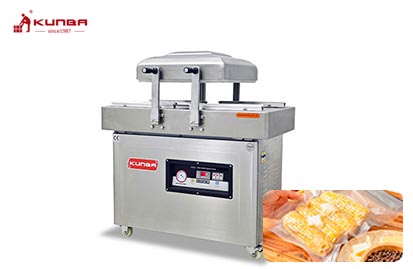
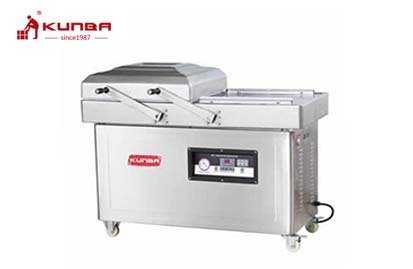
A double-chamber unit allows one chamber to be loaded while the other is under vacuum, giving the operator a more rhythmic, fatigue-reducing motion. This seems trivial until you measure the drop in finger dexterity during a 10-hour shift in a cold room — some plants report a 15–20% output decline simply due to ergonomics, not mechanical speed. Continuous vacuum systems, on the other hand, blend into conveyors and suit high-volume liquids or powdery products, but they require discipline in pouch positioning to prevent spillage and seal contamination.
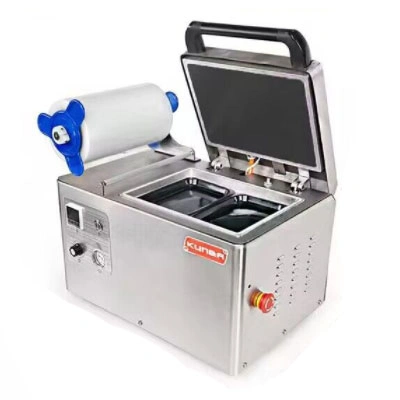
Maintenance access plays a decisive role here. If your sanitation protocol includes daily washdowns (as required by BRC or SQF standards), the machine must have a sloped chamber floor, drain ports, and IP65-rated controls. Machines with flat silicone gaskets that trap moisture beneath them will start showing mold growth within weeks in a seafood processing plant — an expensive lesson one cold storage facility shared after having to replace all chamber seals twice in a single year.
4. Automation, Data, and the Next Five Years
The conversation has shifted from “how fast can it cycle” to “what does it know about the process.” Modern sealing systems integrate load cells under the seal bar to measure consistent pressure, pyrometers to confirm actual seal bar temperature rather than the setpoint, and gas flushing flow meters that log every purge cycle. These data streams feed directly into batch traceability records — a necessity for FDA FSMA compliance or EU Regulation 852/2004.
The value of this data becomes obvious during a HACCP audit. Instead of rifling through paper logs, the quality manager can pull up a record showing that every pouch in a contested batch was sealed at 184°C for 1.8 seconds with an oxygen residual below 0.5%. That level of verifiable consistency is what separates a defendable shelf-life claim from a costly recall.
But automation exists on a spectrum, and the temptation to over-spec is real. A mid-sized processor packaging frozen seafood in 2.5 kg bags rarely needs a fully robotic pick-and-place system; a semi-automatic chamber with programmable recipe recall and an active monitoring package may be the sweet spot. The key is to define your traceability needs now and project them for the typical depreciation cycle of the equipment — usually 7–10 years. If your end-buyer (e.g., a major supermarket chain) is moving toward blockchain-based traceability, your packaging station must be ready to provide verifiable sensor data per package.
Drawing from site-level experience, a dry goods packing house that invested in predictive maintenance sensors on their oil-sealed rotary vane pump reduced unexpected downtime by 36% over two years, simply by acting on oil temperature trend data before bearing failure. These are the hidden cost savers that don’t appear on a spec sheet but define total cost of ownership.
Pulling the Levers Without Breaking the Budget
If you’ve followed the reasoning so far, you’ve already identified the two or three most critical performance hooks for your specific operation — and that means you don’t have to pay for features that look impressive in a demo but collect dust in reality. A final piece of advice from maintenance teams: request a live video call from a reference site running the same machine for at least 5,000 hours. Ask them what fails first. The answers will inform your spare parts stocking list and often reveal whether the OEM truly understands your operating environment.
Finding the right balance between technical capability, build quality, and long-term serviceability is rarely about a single brand. It is about matching a design philosophy to your production reality. For teams that prioritize transparent engineering data and modular upgradability, taking a deeper look at Kunba’s approach to vacuum sealing can serve as a useful reference point when building your shortlist — not as a premature decision, but as a benchmark for the kind of detail that separates industrial workhorses from disposable equipment.