 English
 Pусский




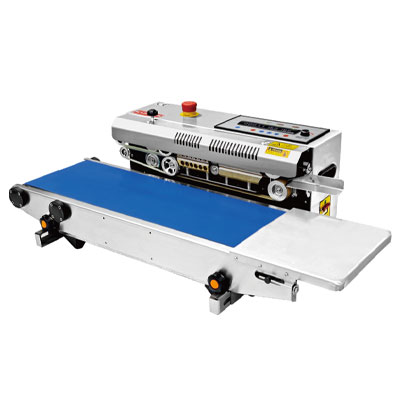
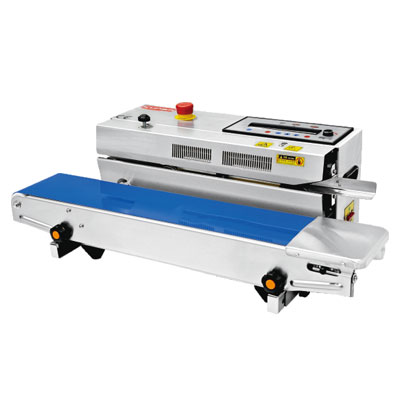
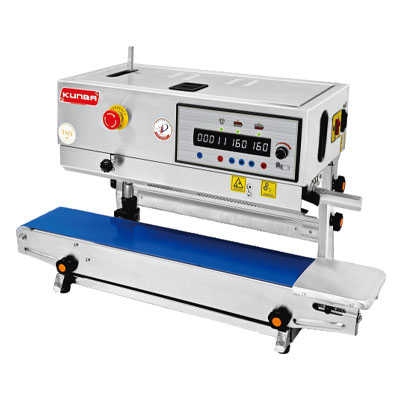
Want to find out how KUNBA packaging machines can benefit you? Contact and consult our team of experts to find out about packaging solutions tailored to your needs!
Food or Logistics? Vacuum Packing Machine Selection Tips
Apr 23,2026
If you’ve ever stared at a list of packaging equipment options, wondering if you should pick something built for your food processing line or your logistics warehouse, you’re far from alone. Too many business owners make the mistake of only looking at the “vacuum” part of the equation, assuming any machine that sucks air out of a bag will work for their needs—only to end up with a dud that can’t handle their specific workflow. A well-matched Vacuum Packing Machine doesn’t just check a box; it adapts to what you actually need, whether that’s keeping produce fresh or cutting your shipping bills in half.
I saw this mistake play out firsthand last year with a small artisanal pasta maker out of Ohio. He’d grabbed a used machine off an online marketplace, thinking it looked identical to the ones he’d seen in restaurant kitchens. Turns out, that unit was built for compressing bulky bedding for cross-country shipping—its pressure settings were cranked to the max, and the seal strips weren’t even food-safe. Within three days, his fresh pasta had picked up a weird plastic aftertaste, and the high pressure had squashed his signature hand-cut shapes into unrecognizable blobs. He lost nearly $2,000 in inventory, a hit that almost shut down his 6-month-old startup before it could get off the ground. That’s the thing about this gear: looks can be deceiving, and the wrong choice can sink you faster than you think.
What Food Processors Actually Need From Their Packaging Gear
For anyone working with perishable goods, the priority isn’t just shrinking a package—it’s stopping decay before it starts. That means your equipment has to check two non-negotiable boxes: food-grade compliance standards and consistent oxygen-free storage to kill the bacteria that make food go bad.
A 2025 case study from a midwestern meat processor drives this home. After switching to properly matched packaging gear, the company cut their spoilage reduction rate by 40% in just six months. Their raw beef cuts, which used to last 4 days under regular PVC wrap before turning brown, now stayed fresh and vibrant for 12 days under refrigeration. That shelf life extension let them expand their delivery radius by 200 miles, opening up whole new markets they could never reach before, all while staying fully USDA compliant.
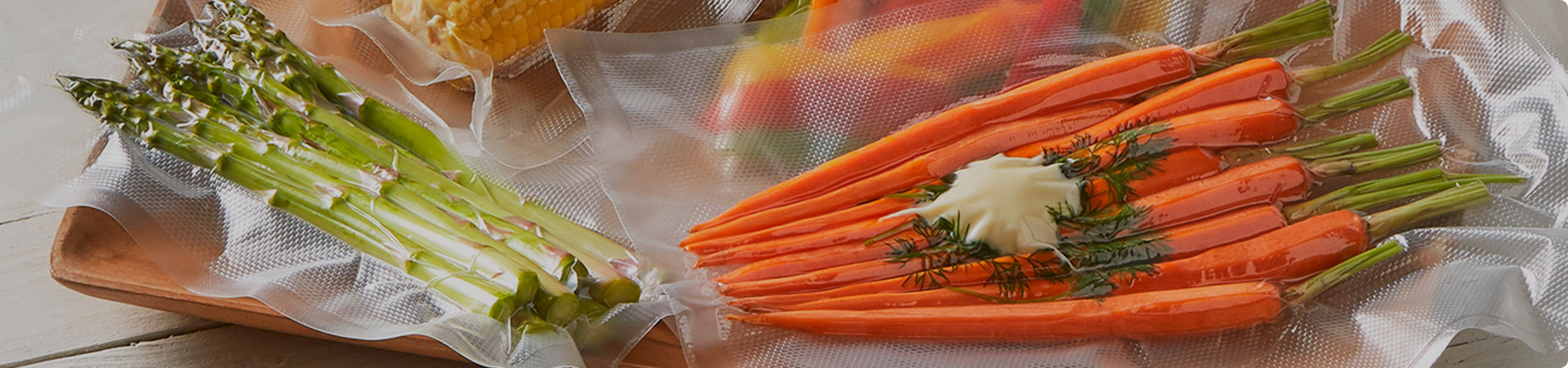
It’s not just raw meat, either. For frozen goods, proper vacuum sealing eliminates freezer burn prevention by removing the air that causes ice crystals to form and dry out your product. That means frozen vegetables, fish, or even pre-made meals can last 2–3 years in the freezer without losing texture or flavor, instead of going to waste after a few months. If you’re navigating these specific food safety needs, get tailored food-grade recommendations to make sure you don’t cut corners on compliance.
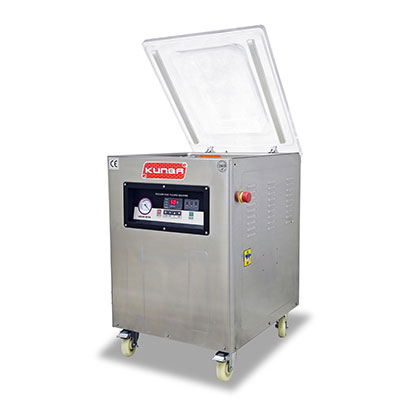
The Logistics Team’s Hidden Packaging Pain Points
If you’re in logistics or e-commerce, you don’t care as much about bacterial growth—you care about cutting costs. Every extra cubic inch of space in a truck, container, or warehouse is money you’re throwing away, and that’s where most standard packaging falls flat.
Take international shipping, for example. IATA’s 2024 Q1 freight data shows that air cargo rates to North America hit $$4.20 per kilogram, and most lightweight, bulky items get charged by *volumetric weight*—meaning you pay for the space they take up, not their actual weight. With proper vacuum compression, those same items shrink so much that they switch to being charged by actual weight, cutting your air shipping costs by 35–50% per package overnight. That’s not a small margin; for a small e-commerce brand shipping 100 packages a week, that adds up to over$$70,000 in savings a year.
It’s not just air freight, either. The European Packaging Association’s 2024 lightweight packaging report found that for consumer electronics, vacuum packaging cuts total packaging weight by 30–50% compared to traditional corrugated boxes with foam filler. That means lower fuel costs for your fleet, lower carbon emissions, and even cheaper last-mile delivery. And for warehouse storage? The numbers are even more staggering: a standard throw pillow, for example, can shrink to 1/10 of its original size after vacuum sealing. That means your warehouse can hold 10 times as much stock without expanding your space, cutting your rent costs dramatically.
On top of that, vacuum sealing creates a moisture barrier protection that’s perfect for long-haul sea freight. It keeps moisture out of electronic components, prevents rust on metal parts, and stops textiles from getting moldy during weeks of transit through humid ports. If you’re looking to optimize your shipping workflow, explore logistics-focused packaging options to see how much you could save.
The Common Alternatives: Why They Fall Short
A lot of business owners try to pick a middle ground, or grab a cheaper alternative, only to find it doesn’t work for either of their needs. Let’s break down the most common options, and why they usually miss the mark:
First, there’s MAP (Modified Atmosphere Packaging) gear. That’s the stuff you see in grocery stores for pre-cut produce, where they flush the bag with inert gases to keep food fresh. It works great for food… but it can’t compress anything. In fact, it usually leaves the bag puffed up, which is the worst thing possible for logistics shipping. It’s also way more expensive, and it only works for food products—you can’t use it to compress bedding or electronics.
Then there’s standard heat shrink wrap. That’s cheap, and it can shrink a little bit, but it doesn’t remove air. That means you don’t get any of the shelf life benefits for food, and you don’t get the deep compression you need for logistics. It also doesn’t create an airtight seal, so moisture can still get in during shipping.
And of course, there’s the cheap, entry-level manual sealers. They work for small batches at home, but they can’t handle commercial volume. They break after a few months of heavy use, and they don’t have the adjustable settings you need to switch between food and logistics products.
This is where a lot of businesses hit a wall: they think they have to buy two separate machines, one for food and one for logistics, which can cost tens of thousands of dollars. But that’s not the case. A flexible, well-built Vacuum Packing Machine can do both, if it’s built right.
Unlike those one-size-fits-all cheap models, the right gear comes with customizable pressure settings. For your delicate fresh pasta or pastries, you can turn the pressure down low, so you remove the air without squishing your product. For bulky bedding or pillows, you can crank the pressure up to max, shrinking it to a fraction of its size.
At KUNBA, we’ve worked with dozens of cross-industry brands that do exactly this: they sell both frozen meals and home goods, and they use one machine to handle all of their packaging needs. It cuts their capital costs in half, and it simplifies their workflow, so they don’t have to train their staff on two separate pieces of equipment.
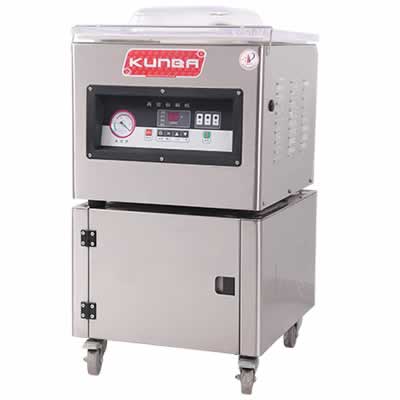
How to Pick the Right Gear Without Wasting Your Budget
At the end of the day, the biggest mistake you can make is buying a machine based on price alone. That pasta maker I told you about? He saved $$500 buying that used machine, and it cost him$$2,000 in inventory, plus the cost of having to buy a new machine anyway. That’s not a deal—that’s a loss.
Instead, start by mapping out your actual needs. Ask yourself:
-
Do I need to handle both food and non-food products, or just one?
-
What’s my daily packaging volume? Do I need a high-speed automatic machine, or a smaller manual one?
-
Do I need adjustable pressure settings, or will a fixed setting work for my products?
-
Do I need to comply with FDA or USDA food safety standards?
Don’t just guess, either. Talk to a supplier that offers custom consultations, not just a one-size-fits-all catalog. A good supplier will work with you to test your products, figure out the right pressure settings, and make sure the machine fits your workflow before you buy it. That’s the kind of support that saves you from costly mistakes down the line.
Whether you’re a small food startup, a growing e-commerce brand, or a large logistics company, the right packaging gear doesn’t have to be complicated. It just has to fit your business, not the other way around.
Latest events