
 English
 Pусский

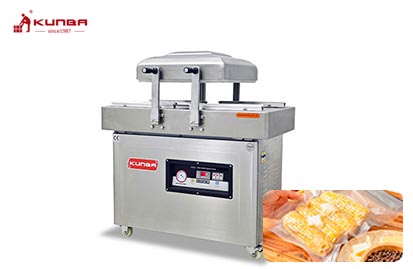

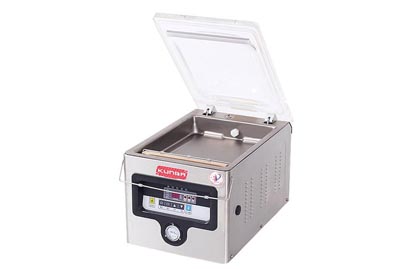

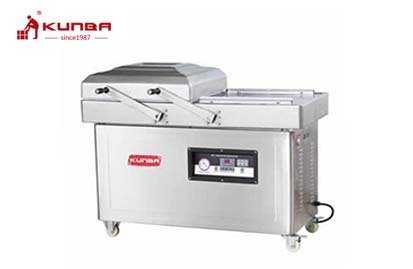
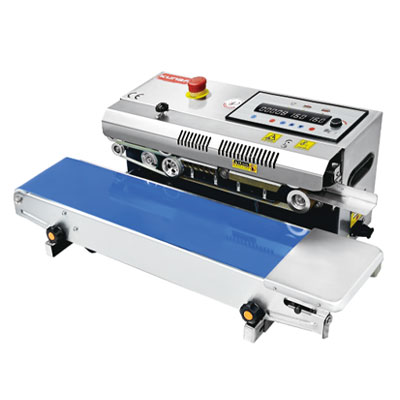


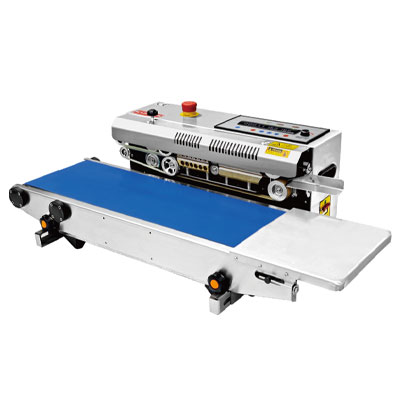
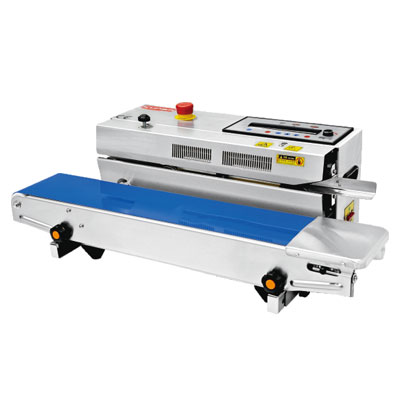

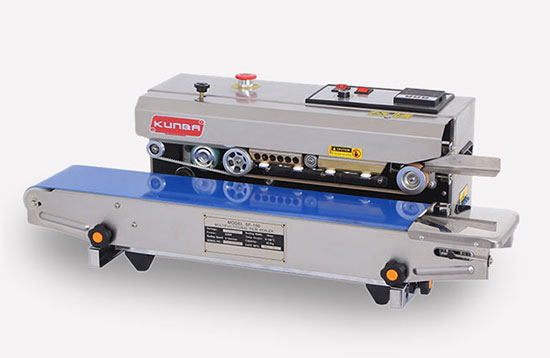
Want to find out how KUNBA packaging machines can benefit you? Contact and consult our team of experts to find out about packaging solutions tailored to your needs!
When it comes to efficient packaging in various industries, continuous sealing equipment is vital. However, when selecting the right machine, understanding the differences between Horizontal Continuous Sealing Machines and Vertical Continuous Sealing Machines is crucial. Both offer continuous sealing, but their applications, designs, and operational modes vary significantly. In this article, we will delve into the specific differences between these two types of machines to help you make a more informed choice for your packaging needs.
Horizontal Continuous Sealing Machines: Ideal for Horizontal Sealing Applications
A Horizontal Continuous Sealing Machine is specifically designed for horizontal sealing operations, commonly used in applications where the packaging materials or products need to be positioned horizontally. This type of equipment operates with a horizontal conveyor system that feeds the packaging material through the sealing area.
Applications: Ideal for packaging products such as snacks, dry foods, and pharmaceuticals that are packaged in a horizontal orientation. The design ensures that the product remains stable during the sealing process.
Key Features:
- The machine is suitable for sealing a wide range of materials, including plastic films, foils, and laminates.
- Adjustable sealing speed, with the ability to handle various bag thicknesses.
- Equipped with a built-in cooling system to ensure the quality of the seal.
- Often used in industries like food processing and medical packaging, where product integrity and hygiene are essential.
This system is perfect for businesses that deal with large volumes of horizontally oriented packaging and require precise, consistent sealing.
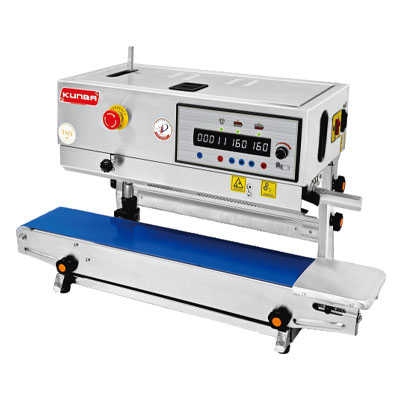
Vertical Continuous Sealing Machines: Versatility for Vertical Sealing Tasks
On the other hand, Vertical Continuous Sealing Machines are tailored for vertical sealing processes. These machines use a vertical conveyor to feed packages into the sealing area. This design is particularly useful when packaging products that need to be sealed while positioned vertically.
Applications: Commonly used in industries that package liquids, powders, and small items in pouches. The vertical configuration is beneficial for sealing lightweight bags and smaller products, such as powders, liquids, and granules.
Key Features:
- Suitable for smaller bag sizes, ensuring secure seals for compact packaging.
- These systems are ideal for handling a diverse range of products, including liquids and fragile items.
- Offers high-speed sealing with a versatile range of sealing temperatures, making it highly customizable for different materials.
- Used widely in industries such as food packaging, pharmaceuticals, and chemicals, where items are often bagged vertically.
This machine is highly efficient for industries that need a system capable of handling lightweight, vertically packaged products with a focus on speed and reliability.
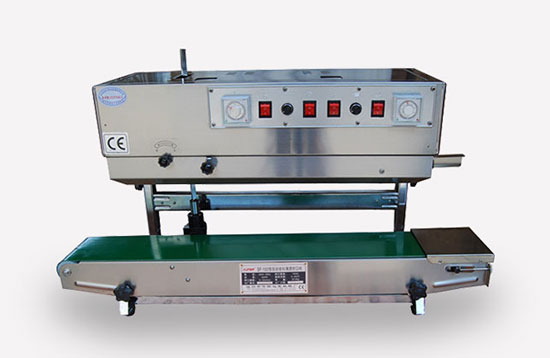
Key Differences Between Horizontal and Vertical Continuous Sealing Machines
Understanding the main differences between these two types of systems can significantly impact your packaging efficiency:
Design Orientation: The most obvious difference is the direction of the packaging materials. Horizontal systems are suited for horizontally oriented packages, while vertical machines are designed to handle vertically oriented packages.
Sealing Speed and Efficiency: While both systems offer high sealing speeds, the vertical machine is more commonly used for smaller, lighter packages, whereas the horizontal system can handle larger volumes and heavier materials.
Product Type Compatibility: Horizontal continuous sealing systems excel at sealing large and bulkier items such as pre-made pouches or bags. Vertical machines, however, are better suited for products like liquids, powders, or small individual packages that require more precision.
Flexibility and Space Requirements: The vertical system typically requires less floor space due to its compact vertical design, making it suitable for businesses with limited space. In contrast, horizontal machines generally occupy more horizontal space due to their conveyor system.
Choosing the Right Sealing Equipment for Your Business
When selecting between a Horizontal Continuous Sealing Machine and a Vertical Continuous Sealing Machine, it is essential to consider the nature of your products, your packaging requirements, and your production space. Both options are highly efficient in their respective domains, but choosing the right one can enhance your packaging operations and streamline production processes.
If your business involves packaging larger, heavier items in bulk, the Horizontal Continuous Sealing Machine will be the better option. However, if you primarily handle smaller, lighter products or need more vertical packaging options, the Vertical Continuous Sealing Machine would be the most effective solution.
Conclusion
In conclusion, both Horizontal Continuous Sealing Machines and Vertical Continuous Sealing Machines offer unique advantages depending on your product type and packaging needs. Understanding their features, applications, and differences will ensure that you select the most suitable machine for your business, improving efficiency and overall packaging quality.
For more detailed information or to explore our full range of sealing equipment, visit the product pages for the Horizontal Continuous Sealing Machine and the Vertical Continuous Sealing Machine.